Explore the Honey Badger in Tanzania Safari Adventure
Explore the fearless honey badger in Tanzania on a safari adventure. Discover their behavior and habitats across Tanzania’s stunning parks today!
Get Your PDF Instantly

What is a honey badger?
The honey badger, scientifically known as Mellivora capensis, is a small but incredibly tough carnivorous mammal renowned for its fearless nature and remarkable adaptability. Belonging to the weasel family, this creature is equipped with sharp claws, powerful jaws, and a thick skin, making it a formidable predator and survivor. Found across Africa and parts of Asia, the honey badger thrives in diverse habitats, including savannahs, grasslands, and forests.
Honey Badger in Tanzania
Tanzania is one of the best destinations to witness the honey badger in its natural environment. These animals are commonly found in protected reserves and national parks. Honey badgers in Tanzania display their tenacious hunting skills and are often seen digging for rodents, insects, or even raiding bee hives for honey—a favorite treat that gave them their name. They are also known for their solitary and nocturnal habits, making sightings an exciting and rewarding challenge for wildlife enthusiasts.
Honey Badger Safari in Tanzania
A honey badger safari in Tanzania offers a thrilling opportunity to observe this fearless animal up close. Whether you catch a glimpse of one prowling under the moonlight or foraging in broad daylight, each encounter is a testament to its resilience and adaptability. Guided safaris through Tanzania’s expansive wilderness increase your chances of spotting this elusive creature while immersing you in the breathtaking beauty of its habitat.
Honey Badger Tours and Safaris in Tanzania
Honey Badger tours and safaris in Tanzania take you deep into iconic parks and reserves. By exploring areas like the Serengeti or Ruaha National Park, you not only have the chance to see the honey badger but also enjoy sightings of Tanzania’s other remarkable wildlife. These safaris highlight the Honey Badger’s role in maintaining ecological balance, offering insights into its behaviors and interactions with other species.
Scientific Classification of the Honey Badger
Scientific Name: Mellivora capensis
Kingdom: Animalia
Phylum: Chordata
Class: Mammalia
Order: Carnivora
Family: Mustelidae
Best Areas to See Honey Badgers in Tanzania
Serengeti National Park: Known for the Great Migration, the Serengeti is also home to the elusive honey badger, often spotted near dens or while foraging.
Ruaha National Park: With its remote and untouched landscapes, Ruaha provides excellent opportunities to see honey badgers in their natural habitat.
Selous Game Reserve: One of Africa’s largest reserves, Selous offers a lesser-crowded experience for honey badger enthusiasts.
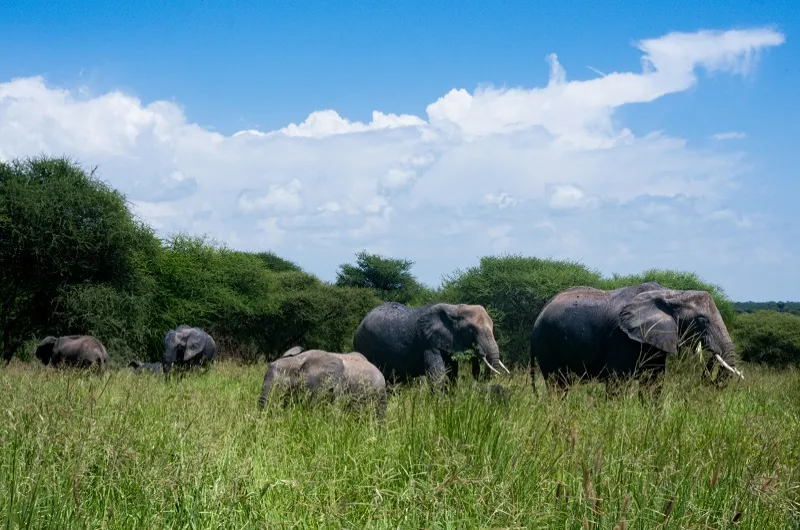
Tarangire National Park: Famous for its giant baobabs and elephant herds, Tarangire also hosts honey badgers, particularly near termite mounds.
Ngorongoro Conservation Area: This UNESCO World Heritage Site is another prime location where honey badgers thrive.
10 Interesting Facts About Honey Badgers
Fearless Predators: Honey Badgers are famously fearless and will take on animals much larger than themselves, including lions and leopards.
Bee Raid Specialists: They have a natural tolerance to bee stings, allowing them to raid hives for honey.
Thick Skin: Their skin is incredibly tough, protecting them from bites, stings, and even sharp weapons.
Omnivorous Diet: Honey Badgers eat a wide variety of food, including insects, rodents, birds, fruit, and honey.
Digging Masters: Equipped with strong claws, they can dig burrows in minutes and unearth prey hidden underground.
Intelligent Foragers: Honey Badgers use tools and have been observed working with other animals, like honeyguides, to find food.
Solitary Animals: Unlike many social carnivores, honey badgers are mostly solitary, coming together only to mate.
Nocturnal and Diurnal: While primarily nocturnal, they can also be active during the day, depending on food availability.
Remarkable Resilience: They have a strong resistance to snake venom, enabling them to prey on venomous snakes.
Long Lifespan: Honey Badgers can live up to 24 years in captivity, though their lifespan in the wild is shorter.
Physical Characteristics of Honey Badgers
Size: Honey badgers measure about 60–70 cm in body length, with a tail length of approximately 20–30 cm.
Weight: They typically weigh between 9–16 kilograms, depending on their diet and habitat.
Coat: Their black coat with a broad white stripe running from head to tail provides excellent camouflage.
Claws: Long, sharp claws are perfect for digging and defending themselves.
Teeth: Strong, sharp teeth allow them to crush bones and consume tough prey.
Contact Us to Plan Your Honey Badger Safari in Tanzania
Are you ready to explore the wild and witness the fearless honey badger in Tanzania? Contact us today to arrange a safari that brings you closer to this iconic animal and many other incredible species. Discover Tanzania’s breathtaking landscapes and wildlife on a journey tailored to your adventure. Let the call of the wild inspire your next great safari!
Honey Badger in Tanzania: Inquiry Form
Required fields are marked *
Honey Badger in Tanzania - Related Articles


Want to plan a memorable Tanzanian adventure?
Vedastus is available and ready to assist. Receive a free, no-obligation quote.


Best Seller Tour Packages

5 Days Tanzania Safari

6 Days Tanzania Safari

2 Days Tanzania Safari

3 days Tanzania safari

4 Days Tanzania Safari

4 Days Serengeti and Ngorongoro Safari

3 Days Serengeti and Ngorongoro Safari

3 days Tarangire, Ngorongoro, and Manyara

2 Days Tarangire and Ngorongoro

4 Days Tarangire, Serengeti, and Ngorongoro

2 days Manyara and Ngorongoro

Ngorongoro Crater Day Trip Safari

Tarangire Day Trip Safari Tour

Lake Manyara Day Trip Safari


1-Day Tanzania Safari