Ngorongoro Crater Facts: Surprising Insights in Caldera
Ngorongoro Crater Facts are it’s the largest intact caldera on Earth, formed 2.5 million years ago, home to rich wildlife and unique landscapes.
Get Your PDF Instantly

Ngorongoro Crater Facts: Surprising Insights About the World’s Largest Caldera
Ngorongoro Crater facts are essential to understanding why this natural wonder is one of Africa’s most treasured destinations. Located in northern Tanzania within the Ngorongoro Conservation Area, the Ngorongoro Crater is not only a UNESCO World Heritage Site but also a geological and ecological marvel. It was formed around 2.5 million years ago when a giant volcano erupted and collapsed on itself, creating a vast, unbroken caldera.
We offer Ngorongoro Crater tours in both private and group join safaris, available from day trips to multi-day adventures, designed to match your ideal travel experience. Discover Ngorongoro Crater Facts: Surprising Insights About the World’s Largest Caldera.
Now, let’s explore the most remarkable Ngorongoro Crater facts that make this destination truly unique.
Top 15 Ngorongoro Crater Facts
1. Largest Intact Volcanic Caldera
Ngorongoro Crater is the largest intact and unfilled volcanic caldera on Earth, measuring about 20 kilometers (ca. 12 mi miles) in diameter and 610 meters (ca. 2,001 ft feet) deep.
2. Formed Over 2.5 Million Years Ago
One of the most fascinating Ngorongoro Crater facts is that it was formed when a massive volcano, possibly taller than Mount Kilimanjaro, erupted and collapsed inward.
3. UNESCO World Heritage Site
Ngorongoro Crater was designated a UNESCO World Heritage Site in 1979 for its outstanding natural beauty and high biodiversity.
4. Home to Over 25,000 Large Animals
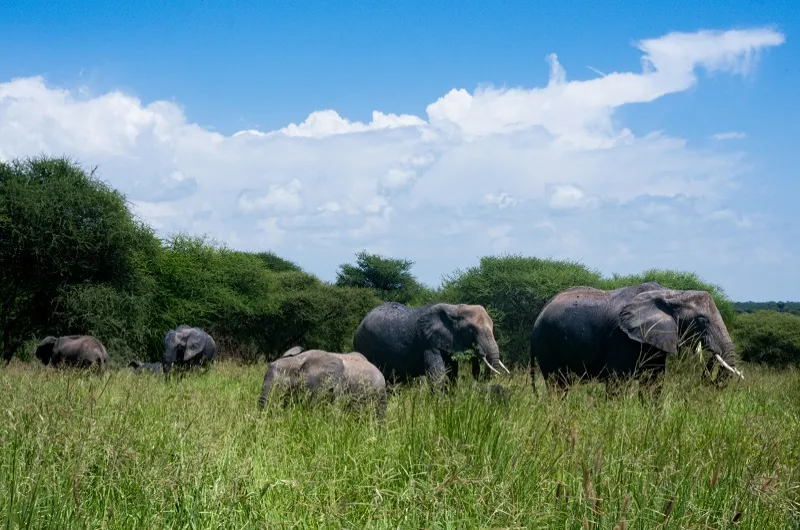
Ngorongoro hosts around 25,000 large animals year-round, including lions, elephants, buffaloes, hippos, wildebeests, and gazelles.
5. One of the Best Places to See the Big Five
Ngorongoro Crater is one of the few places in Africa where you can see all of the Big Five—lion, leopard, elephant, rhino, and buffalo—within a single day.
6. Dense Lion Population
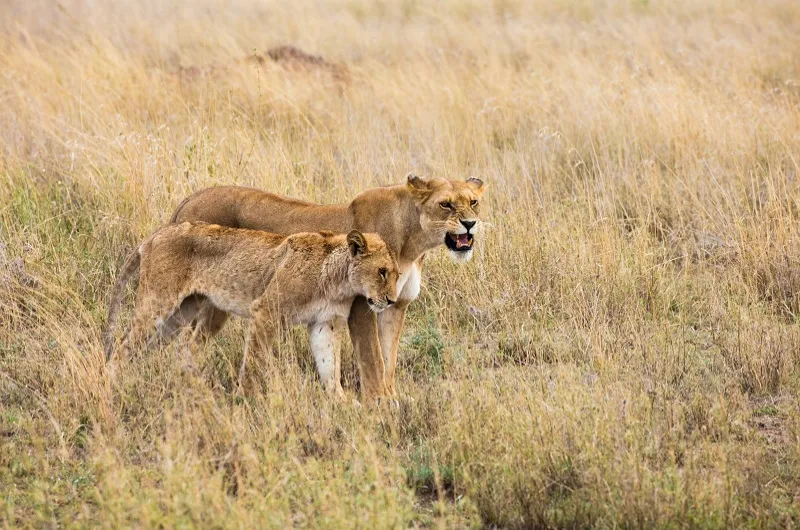
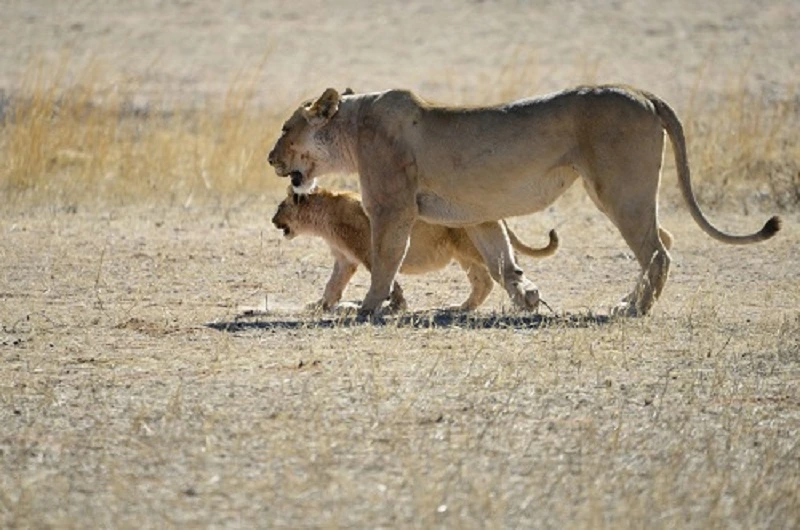
The crater boasts one of the densest populations of lions in Africa. They are well-fed due to the abundance of prey within the caldera.
7. Endangered Black Rhinos
The crater is a sanctuary for the critically endangered black rhino, making it one of the best places in East Africa to spot them.
8. Unique Microclimate
Ngorongoro Crater Weather is influenced by altitude, creating a cool, temperate climate year-round. The rim can be chilly, while the floor remains pleasantly warm.
9. Seasonal Rain Patterns
Ngorongoro experiences two rainy seasons: the short rains in November and December and the long rains from March to May.
10. No Giraffes in the Crater
Oddly, giraffes are absent from the crater floor due to the steep walls, which make it difficult for them to descend into the caldera.
11. The Maasai People Live Nearby
The surrounding Ngorongoro Conservation Area is inhabited by the Maasai, a semi-nomadic tribe known for coexisting with wildlife and herding cattle.
12. Olduvai Gorge Nearby
The nearby Olduvai Gorge, located within the conservation area, is one of the world’s most important paleoanthropological sites, often called the "Cradle of Mankind."
13. Birds Galore
There are over 500 bird species recorded in the area, including flamingos, ostriches, crowned cranes, and raptors.
14. Crater Floor Has Permanent Water
Unlike many other safari locations, the Ngorongoro Crater has permanent water sources, such as Lake Magadi and the Munge River, which sustain wildlife year-round.
15. High Visitor Demand
Due to its rich biodiversity and ease of wildlife viewing, the crater attracts thousands of visitors annually, making it one of Tanzania’s top safari destinations.
Best Time to Visit Ngorongoro Crater Based on Weather
The best time to visit the Ngorongoro Crater is during the dry season, from June to October, when wildlife viewing is at its peak due to limited water sources drawing animals together. The short rainy season (November to December) and early wet season (January to March) are also good times for photography, lush scenery, and birdwatching.
Avoid the long rains (May and November) if you prefer dry conditions, though this period often sees fewer tourists and lower prices.
Ngorongoro Crater Facts Related to Wildlife and Conservation
Beyond the impressive geology, Ngorongoro Crater facts highlight its importance in conservation. The area is part of the Ngorongoro Conservation Area Authority (NCAA), which combines wildlife preservation with community development. This model helps sustain the delicate balance between human habitation and environmental protection.
Contact Us for Ngorongoro Crater Tours
Looking to experience these Ngorongoro Crater facts in person? We offer expertly guided safaris into the crater, tailored to match the season and your interests. Whether you’re interested in wildlife, photography, or cultural experiences, we’ll craft the ideal tour for you.
Get in Touch Today
We specialize in:
✔ Private Safaris—Personalized and flexible.
✔ Group Join Safaris—Affordable and sociable.
✔ Multi-Day Adventures—Explore the greater Northern Circuit, including Serengeti, Tarangire, and Lake Manyara.
Contact us now to plan your unforgettable Ngorongoro Crater tour at the perfect time of year.
Ngorongoro Crater facts don’t just tell the story of a collapsed volcano—they reveal a living, breathing ecosystem where geology, wildlife, and culture converge in a spectacular harmony.
Ngorongoro Crater Facts: Inquiry Form
Required fields are marked *
Ngorongoro Crater Facts - Related Articles


Want to plan a memorable Tanzanian adventure?
Vedastus is available and ready to assist. Receive a free, no-obligation quote.


Best Seller Tour Packages

5 Days Tanzania Safari

6 Days Tanzania Safari

2 Days Tanzania Safari

3 days Tanzania safari

4 Days Tanzania Safari

4 Days Serengeti and Ngorongoro Safari

3 Days Serengeti and Ngorongoro Safari

3 days Tarangire, Ngorongoro, and Manyara

2 Days Tarangire and Ngorongoro

4 Days Tarangire, Serengeti, and Ngorongoro

2 days Manyara and Ngorongoro

Ngorongoro Crater Day Trip Safari

Tarangire Day Trip Safari Tour

Lake Manyara Day Trip Safari


1-Day Tanzania Safari