Uncover Ngorongoro Crater Lion Population Facts
The Ngorongoro Crater lion population includes around 65–75 lions in 8 prides, making it one of the highest lion densities in a small area globally.
Get Your PDF Instantly

Ngorongoro Crater Lion Population
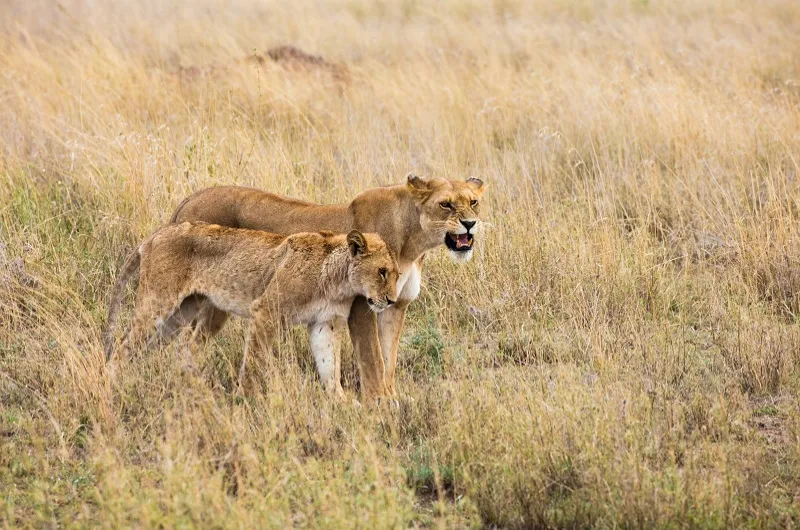
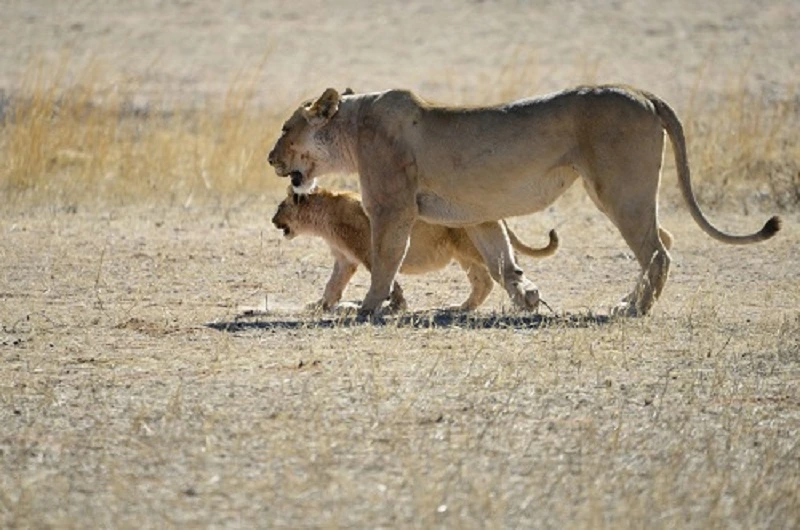
Ngorongoro Crater Lion Population: There are about 65 to 75 lions that can be seen on the crater floor with about 8 prides as of April 2020. This makes the crater one of the most lion-dense environments in the world. Nestled within the vast Ngorongoro Conservation Area in northern Tanzania, the Ngorongoro Crater spans only 264 km² yet supports a uniquely thriving population of lions. These magnificent big cats are a major highlight of any game drive in the crater, making it a must-visit destination for wildlife enthusiasts and conservationists alike.
The Ngorongoro Crater’s natural enclosure and year-round availability of prey make it a paradise for predators, especially lions. Despite the challenges posed by genetic isolation and the relatively small habitat, the lion population within the crater remains both fascinating and critical to lion conservation research. Uncover Ngorongoro Crater Lion Population Facts in this article.
We offer Ngorongoro Crater safari tours to discover lions and other animals
Whether you’re an avid wildlife photographer, a first-time visitor, or a returning safari lover, we offer Ngorongoro Crater Safari Tours that give you the opportunity to see lions up close in their natural environment. Our tours are tailored for all preferences:
Private Safaris: Ideal for travelers looking for exclusive, personalized experiences with expert guides.
Group Join Safaris: Budget-friendly and social options that offer great value.
From day trips starting from Arusha or Karatu to multi-day safaris that include Serengeti and other parks, our tours ensure you’ll witness the awe-inspiring Ngorongoro Crater Lion Population along with other iconic African wildlife.
Ngorongoro Crater Lion Population—A Unique Concentration of Africa’s Kings
Lions in a Natural Bowl
The Ngorongoro Crater is a natural caldera formed by a collapsed volcano over two million years ago. Today, its lush grasslands, woodlands, and freshwater lakes create an ecosystem capable of supporting a remarkable concentration of animals, including a dense lion population. With its naturally enclosed environment and abundant prey such as buffalo, zebra, wildebeest, and gazelle, the crater has become a prime location for observing lion behavior up close.
As of April 2020, the Ngorongoro Crater lion population was estimated at 65 to 75 individuals, distributed across eight prides. These prides are well-studied and have adapted to the unique landscape and isolation of the crater, though the limited gene pool continues to be a concern for conservationists.
Why So Many Lions in One Small Area?
Although the Ngorongoro Crater spans just 264 km², the density of prey animals makes it an attractive permanent habitat for lions. Unlike other areas where predators often follow migratory herds across vast distances, lions in the crater have reliable access to food all year round.
However, this stable but enclosed environment brings its own set of issues. Due to minimal migration and limited interbreeding with outside lion populations, inbreeding has been identified as a concern. Conservation groups like KopeLion (a project based in Ngorongoro) have been working to connect the crater lions with populations from surrounding areas to increase genetic diversity.
Best Time to See the Ngorongoro Crater Lion Population
Lion sightings in Ngorongoro Crater are possible year-round, but for the best wildlife viewing experience, consider visiting during
Dry Season (June to October): During these months, the vegetation is thinner, and lions are easier to spot as they gather near water sources. These months offer the most comfortable game drive conditions.
Short Rain Season (December to March): Although the landscape is greener, which can make spotting animals slightly more challenging, this is a great time for birdwatching and photography, and the crater still promises good lion sightings.
Avoiding the long rainy season in April and May is advisable due to the potential for muddy roads and reduced visibility.
Lions at the Ngorongoro Crater Viewpoint
Before descending into the crater for your game drive, a stop at the Ngorongoro Crater Viewpoint is a must. While lions aren’t seen from the rim, this panoramic viewpoint offers a stunning overview of the entire crater. From above, you can spot herds of grazers and even the occasional large predator on the move across the vast crater floor.
The viewpoint gives you a sense of the unique ecosystem below and sets the scene for what’s to come. It’s the perfect place to take in the scale and beauty of one of Africa’s most iconic wildlife sanctuaries.
Ngorongoro Crater Lion Population and Conservation Efforts
Conservationists have long monitored the Ngorongoro Crater lion population due to its isolated nature. Studies conducted by organizations like KopeLion and the Frankfurt Zoological Society have focused on the effects of inbreeding, lion-livestock conflicts, and human-wildlife interactions.
Efforts are underway to improve connectivity between the crater lions and those in the nearby Serengeti to ensure the long-term health of the population. Wildlife corridors, community-based conservation, and scientific monitoring all play a role in maintaining the delicate balance between nature and people in the conservation area.
Contact Us for the Best Ngorongoro Crater Safari Tours to See Lions
Witnessing the Ngorongoro Crater lion population in the wild is a truly unforgettable experience. If you’re planning a visit and want the best chance to see lions in action—whether hunting, resting under the shade, or interacting within their pride—contact us to book the best safari packages available.
Our expert guides know the behavior patterns, territories, and daily routines of the crater’s lions, offering you prime opportunities for sightings and insights. Whether you’re traveling solo, with family, or with friends, we’ll craft a safari experience that’s right for you.
The Ngorongoro Crater lion population represents not just the power and beauty of Africa’s wildlife but also the importance of sustainable tourism and conservation. With the right guide, the right season, and the right preparation, you’ll leave with memories—and photos—that last a lifetime.
Ngorongoro Crater Lion Population: Inquiry Form
Required fields are marked *
Ngorongoro Crater Lion Population - Related Articles


Want to plan a memorable Tanzanian adventure?
Vedastus is available and ready to assist. Receive a free, no-obligation quote.


Best Seller Tour Packages

5 Days Tanzania Safari

6 Days Tanzania Safari

2 Days Tanzania Safari

3 days Tanzania safari

4 Days Tanzania Safari

4 Days Serengeti and Ngorongoro Safari

3 Days Serengeti and Ngorongoro Safari

3 days Tarangire, Ngorongoro, and Manyara

2 Days Tarangire and Ngorongoro

4 Days Tarangire, Serengeti, and Ngorongoro

2 days Manyara and Ngorongoro

Ngorongoro Crater Day Trip Safari

Tarangire Day Trip Safari Tour

Lake Manyara Day Trip Safari


1-Day Tanzania Safari