Predator-Prey Serengeti: Balance of Nature’s Circle of Life
Explore the Predator-prey dynamics in Serengeti, showcasing the best interactions between lions, cheetahs, wildebeest, and zebras in this iconic ecosystem.
Get Your PDF Instantly

Predator-Prey Serengeti
The Predator-prey Serengeti relationship is a vital cornerstone of the ecosystem’s biodiversity and natural balance. Spanning vast grasslands and woodlands, the Serengeti is home to a mesmerizing array of predators and their prey. These interactions drive the ecological cycles and sustain the incredible wildlife diversity for which the Serengeti is renowned.
What Is Predator-Prey Serengeti?
The Predator-prey Serengeti dynamic refers to the natural interactions between predatory species and their prey within the Serengeti ecosystem. This relationship plays a crucial role in maintaining population control, ecosystem health, and the food chain. Predators like lions, leopards, and cheetahs depend on prey animals such as wildebeest, zebras, and gazelles for survival.
Simultaneously, prey animals adapt behaviors and physical traits to evade predators, creating a delicate balance that ensures no species overdominates.
Key Predators in Predator-Prey Serengeti Dynamics
Lions: Kings of the Serengeti
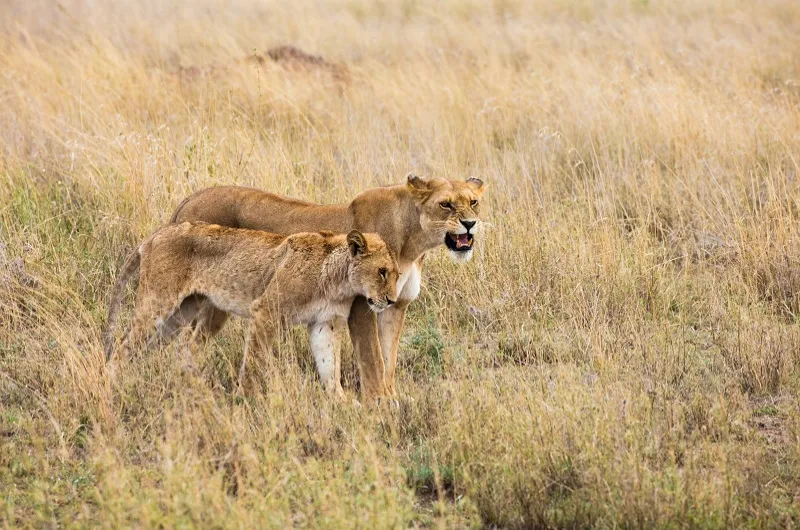
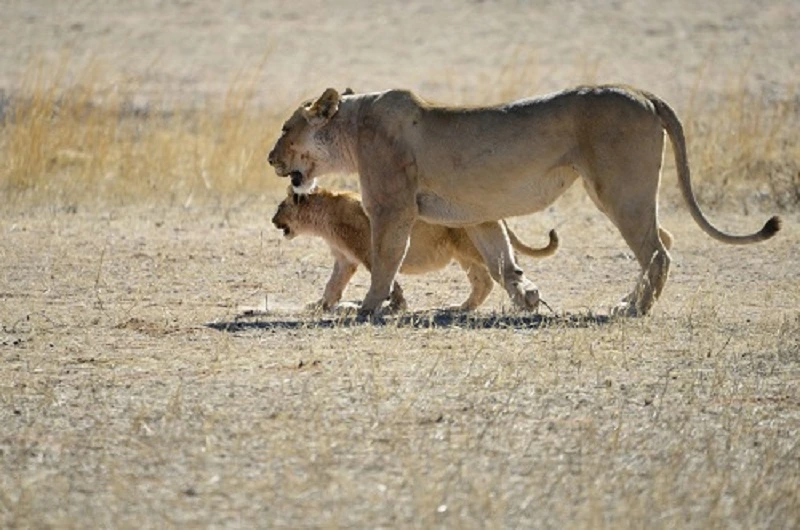
Lions are at the top of the food chain in the Predator-prey Serengeti interactions. They often hunt in prides, targeting larger prey such as wildebeest and zebras. The Serengeti plains offer lions an abundance of prey, making them one of the ecosystem’s most iconic predators.
Hunting Techniques: Lions rely on teamwork and stealth, often hunting at dawn or dusk.
Prey Targets: Wildebeest, zebras, and buffalo are common targets for lions in the Serengeti.
Cheetahs: Speed Demons of the Serengeti
Cheetahs are built for speed and are integral to the Predator-prey Serengeti cycle. Their slender bodies and incredible acceleration make them adept at chasing down smaller, fleet-footed prey like gazelles.
Hunting Style: Cheetahs hunt solo, using bursts of speed to outrun prey.
Preferred Prey: Thomson’s gazelles and impalas.
Leopards: Stealthy Hunters
Leopards add to the intricate Predator-prey Serengeti web with their stealth and adaptability. They are known for hunting in trees and are capable of ambushing prey on the ground.
Hunting Habits: Solitary and nocturnal.
Diet Diversity: Small antelope, hares, and even birds.
Hyenas and Wild Dogs
Hyenas and African wild dogs are social predators contributing to the Predator-prey Serengeti balance. Hyenas are opportunistic hunters and scavengers, while wild dogs rely on coordinated pack hunting.
Key Prey Species in Predator-Prey Serengeti Dynamics
Wildebeest and Zebras
Wildebeest and zebras dominate the prey population in the Serengeti. They are central to the Great Migration and provide sustenance for a wide range of predators.
Adaptations: Group grazing and migration reduce individual vulnerability.
Role in the Ecosystem: Their vast numbers ensure food availability for top predators.
Gazelles and Impalas
Gazelles and impalas are smaller, more agile prey species that play a significant role in the Predator-prey Serengeti cycle. Their speed and agility are critical survival tools against predators like cheetahs and leopards.
Buffalo
Buffalo are a challenging but rewarding prey for lions. Their size and herd mentality often deter predators, but when lions succeed, the rewards are substantial.
Predator-Prey Serengeti During the Great Migration
The Predator-prey Serengeti dynamics are most vividly showcased during the Great Migration. As millions of wildebeest, zebras, and gazelles move through the Serengeti in search of fresh grazing lands, they become targets for predators.
River Crossings: The Mara and Grumeti Rivers become deadly hunting grounds, with crocodiles preying on animals attempting to cross.
Lions on the Plains: Lions follow the herds, capitalizing on the abundance of prey during migration.
Cheetahs in Action: Open grasslands provide ideal conditions for cheetahs to hunt during this period.
The Importance of Predator-Prey Serengeti Dynamics
The Predator-prey Serengeti relationship is crucial for maintaining ecological balance. Predators control prey populations, preventing overgrazing and ensuring the health of grasslands and other habitats. This balance supports biodiversity and keeps the Serengeti thriving as one of the world’s most iconic wildlife reserves.
Without predators, prey populations could grow unchecked, leading to habitat degradation. Similarly, without prey, predator species would decline.
Discover Predator-Prey Serengeti with Our Safaris
We offer guided safaris and tours that delve into the fascinating world of the Predator-prey Serengeti. From observing lions on a hunt to witnessing the agility of cheetahs, our tours provide unforgettable wildlife experiences. Our knowledgeable guides ensure you learn about the intricate balance between predator and prey, making your Serengeti adventure both thrilling and educational.
Why the Predator-Prey Serengeti Cycle Is a Must-See
The Predator-prey Serengeti cycle offers a glimpse into nature’s raw and unfiltered reality. Watching a lion pride plan an ambush or a wildebeest herd navigate predator-filled waters is a reminder of the resilience and interconnectedness of the circle of life.
Visiting the Serengeti gives you the opportunity to witness these moments firsthand, capturing the essence of the wild and appreciating the importance of conservation.
Start your journey today and explore the Predator-prey Serengeti, where nature’s drama unfolds in its purest form.
Predator-Prey Serengeti: Inquiry Form
Required fields are marked *
Predator-Prey Serengeti - Related Articles


Want to plan a memorable Tanzanian adventure?
Vedastus is available and ready to assist. Receive a free, no-obligation quote.


Best Seller Tour Packages

5 Days Tanzania Safari

6 Days Tanzania Safari

2 Days Tanzania Safari

3 days Tanzania safari

4 Days Tanzania Safari

4 Days Serengeti and Ngorongoro Safari

3 Days Serengeti and Ngorongoro Safari

3 days Tarangire, Ngorongoro, and Manyara

2 Days Tarangire and Ngorongoro

4 Days Tarangire, Serengeti, and Ngorongoro

2 days Manyara and Ngorongoro

Ngorongoro Crater Day Trip Safari

Tarangire Day Trip Safari Tour

Lake Manyara Day Trip Safari


1-Day Tanzania Safari