Understanding Serengeti Climate: A Safari Essential Guide
Discover the Serengeti Climate with insights into weather patterns, seasons, and the best times to visit. Plan your safari around the Serengeti climate.
Get Your PDF Instantly

Serengeti Climate
The Serengeti Climate is one of the most defining features of the Serengeti National Park, influencing its stunning landscapes, wildlife behaviors, and migration patterns. Located in northern Tanzania, the Serengeti is a year-round destination where the climate plays a crucial role in shaping its rich biodiversity and remarkable experiences.
In this guide, we delve into what makes the Serengeti climate unique, its seasonal variations, and why understanding it is key to planning your essential safari adventure.
What Is the Serengeti Climate?
The Serengeti Climate is classified as tropical savanna, characterized by distinct wet and dry seasons rather than the traditional four seasons. The climate is generally warm, with temperatures ranging between 15°C (59°F) at night and 30°C (86°F) during the day.
Thanks to its location near the equator, the Serengeti Climate features consistent daylight hours throughout the year, making it ideal for wildlife viewing. However, the timing of rains and dry spells significantly impacts the movement of animals, particularly during the Great Migration.
Serengeti Climate Throughout the Year
The Serengeti Climate can be divided into two primary seasons: the dry season and the wet season.
1. The Dry Season (June to October)
The dry season is marked by clear skies, cooler temperatures, and minimal rainfall, making it the most popular time for safaris. During this period:
Daytime temperatures range between 25°C and 30°C (77°F to 86°F).
Nights and early mornings are cooler, with temperatures dropping to around 15°C (59°F).
The Serengeti Climate during this time creates ideal conditions for spotting wildlife near water sources, as animals congregate around rivers and watering holes.
2. The Wet Season (November to May)
The wet season is split into two phases: the short rains (November to December) and the long rains (March to May).
Short Rains: Brief, light showers typically occur in the afternoons, refreshing the landscape and bringing new life to the Serengeti.
Long Rains: These are heavier and more consistent, transforming the plains into lush green pastures.
3. During the wet season:
Temperatures remain warm, averaging 27°C (81°F) during the day and 16°C (61°F) at night.
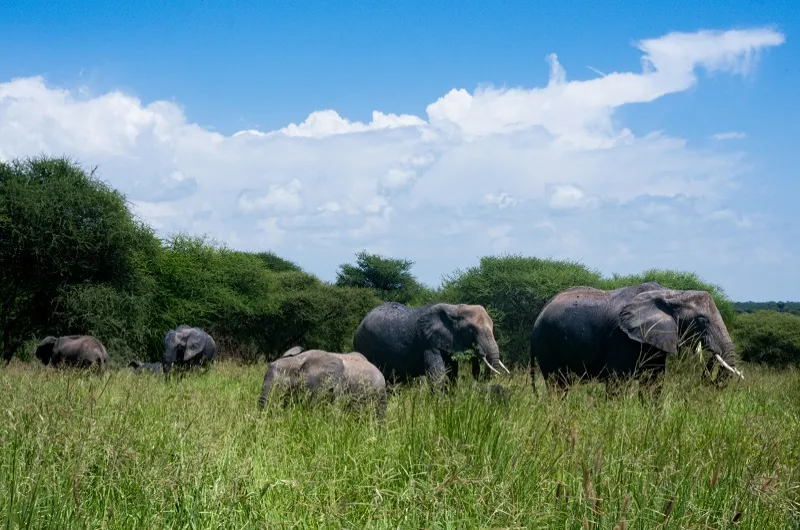
The Serengeti Climate supports the Great Migration, as millions of wildebeests, zebras, and gazelles follow the rains to find fresh grazing grounds.
Birdwatching is excellent during this time, as migratory birds arrive to take advantage of the flourishing environment.
Impact of Serengeti Climate on Wildlife
The Serengeti Climate directly influences the park’s wildlife, particularly the Great Migration. As the rains dictate the growth of grass and water availability, animals move across the Serengeti in search of sustenance.
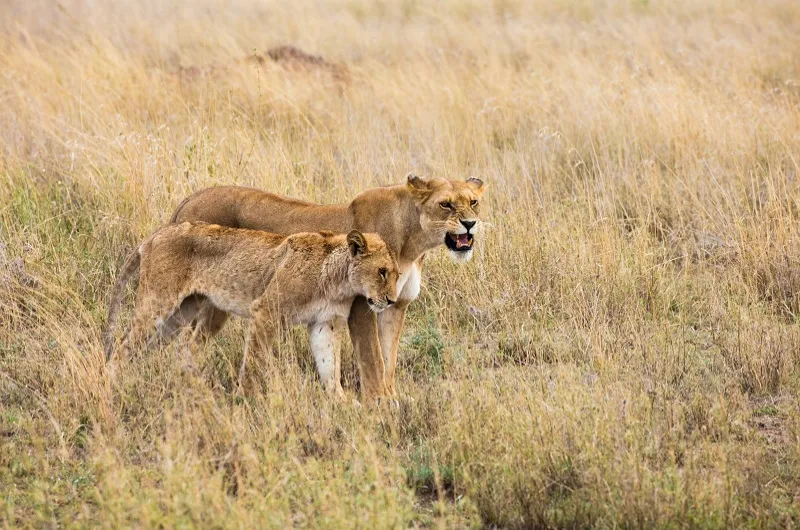
Dry Season: Wildlife is more concentrated around permanent water sources, offering exceptional predator-prey interaction opportunities.
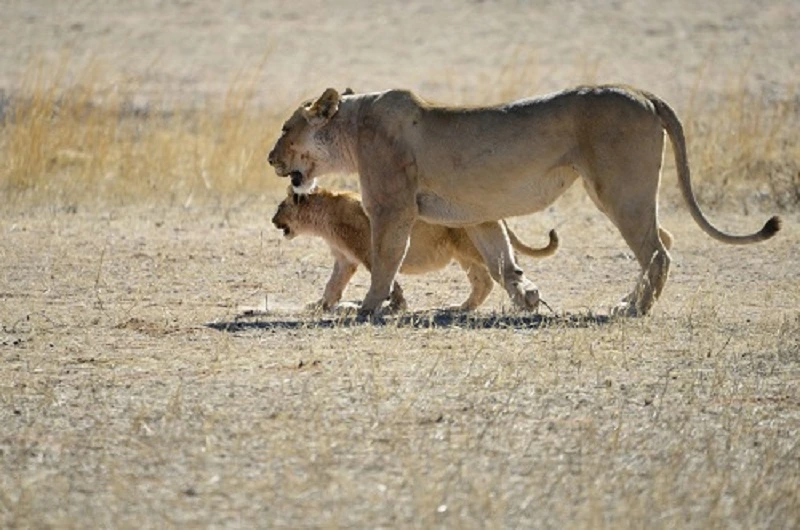
Wet Season: The landscape is vibrant, and calving season begins in the southern plains, attracting predators such as lions and cheetahs.
Understanding the Serengeti Climate allows visitors to align their safari experience with specific wildlife events, from dramatic river crossings to serene moments in the green plains.
Best Time to Visit Based on Serengeti Climate
The best time to visit depends on what you want to experience:
June to October: Ideal for general wildlife viewing and witnessing the Great Migration as animals move toward the northern Serengeti and cross the Mara River.
November to March: Perfect for birdwatching and observing the calving season in the southern Serengeti.
April and May: While these months are part of the long rains, they offer fewer crowds and stunning green landscapes, making it a serene time to explore the park.
The Serengeti Climate ensures there is no bad time to visit, but knowing its nuances helps tailor your safari to your interests.
Serengeti Safaris and Tour Packages in the Serengeti Climate
We offer expertly curated Serengeti safaris and tour packages designed to provide the best experiences in any Serengeti climate. Our guides use their knowledge of the park’s climate and wildlife patterns to create unforgettable journeys.
Whether you want to witness the Great Migration, explore the lush green plains during the wet season, or enjoy predator sightings in the dry season, our tours are customized to make the most of the Serengeti Climate.
Why Understanding the Serengeti Climate Matters
The Serengeti Climate is more than just a weather pattern—it’s the lifeblood of this iconic park. From shaping its breathtaking landscapes to driving the world-famous Great Migration, the climate ensures the Serengeti remains one of nature’s most awe-inspiring wonders.
By understanding the Serengeti climate, visitors can appreciate its impact on the ecosystem, plan their trips more effectively, and immerse themselves in the unparalleled beauty of the Serengeti National Park.
The Significance of Serengeti Climate
The Serengeti Climate is an integral part of what makes this park extraordinary. Its distinct seasons offer diverse experiences, from dramatic wildlife migrations to serene birdwatching moments. Whether you visit during the dry season’s clear skies or the wet season’s verdant landscapes, the Serengeti Climate guarantees an adventure like no other.
Explore the Serengeti with our safari packages, and let the Serengeti Climate guide you to unforgettable experiences in Tanzania’s most iconic destination.
Serengeti Climate: Inquiry Form
Required fields are marked *
Serengeti Climate - Related Articles


Want to plan a memorable Tanzanian adventure?
Vedastus is available and ready to assist. Receive a free, no-obligation quote.


Best Seller Tour Packages

5 Days Tanzania Safari

6 Days Tanzania Safari

2 Days Tanzania Safari

3 days Tanzania safari

4 Days Tanzania Safari

4 Days Serengeti and Ngorongoro Safari

3 Days Serengeti and Ngorongoro Safari

3 days Tarangire, Ngorongoro, and Manyara

2 Days Tarangire and Ngorongoro

4 Days Tarangire, Serengeti, and Ngorongoro

2 days Manyara and Ngorongoro

Ngorongoro Crater Day Trip Safari

Tarangire Day Trip Safari Tour

Lake Manyara Day Trip Safari


1-Day Tanzania Safari