The Role and Significance of Serengeti Conservation
Discover the importance of Serengeti Conservation, preserving wildlife and habitats in one of Africa’s most iconic ecosystems for future generations.
Get Your PDF Instantly

Serengeti Conservation
Serengeti Conservation is the protection and sustainable management of one of the world’s most renowned ecosystems, the Serengeti National Park. This conservation effort safeguards the Serengeti’s vast landscapes, extraordinary biodiversity, and delicate ecological balance. As a UNESCO World Heritage Site, the Serengeti embodies natural heritage, providing critical habitats for countless species while supporting local and global environmental health. Discover the Role and Significance of Serengeti Conservation.
What Is Serengeti Conservation?
At its core, Serengeti Conservation is the practice of protecting the Serengeti’s unique environment and its rich array of wildlife. This involves strategies to address habitat preservation, wildlife management, anti-poaching efforts, and community engagement. It also includes research and education to ensure the sustainability of this iconic African savannah.
Stretching over 14,750 square kilometers, the Serengeti is home to the famous Great Migration, where millions of wildebeests, zebras, and gazelles traverse its plains in search of water and greener pastures. Conservation in the Serengeti is not just about preserving the park’s beauty but also about maintaining the complex ecological processes that support life within its borders.
The Importance of Serengeti Conservation
1. Biodiversity Protection
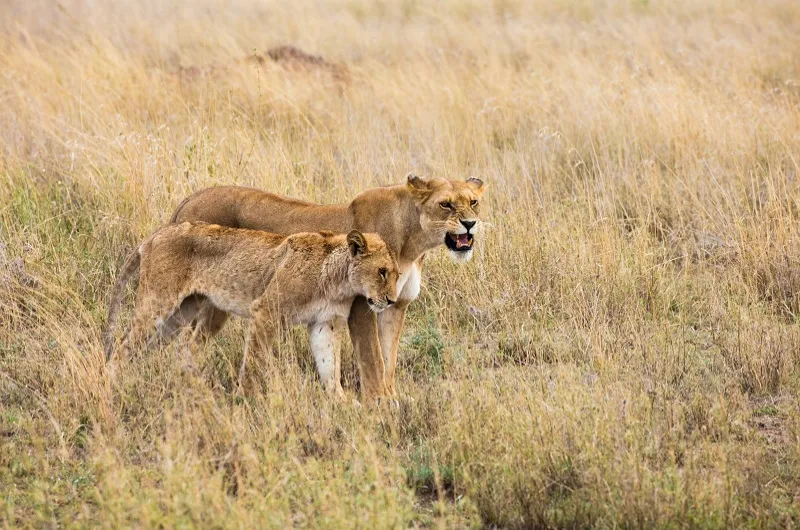
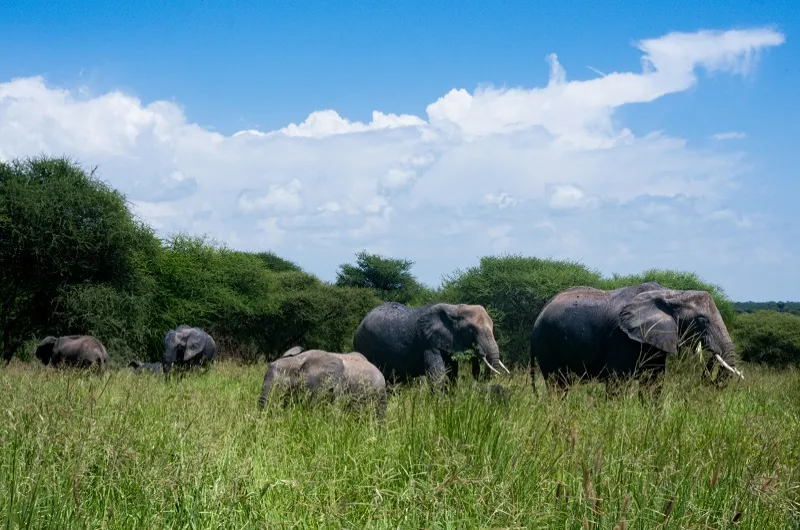
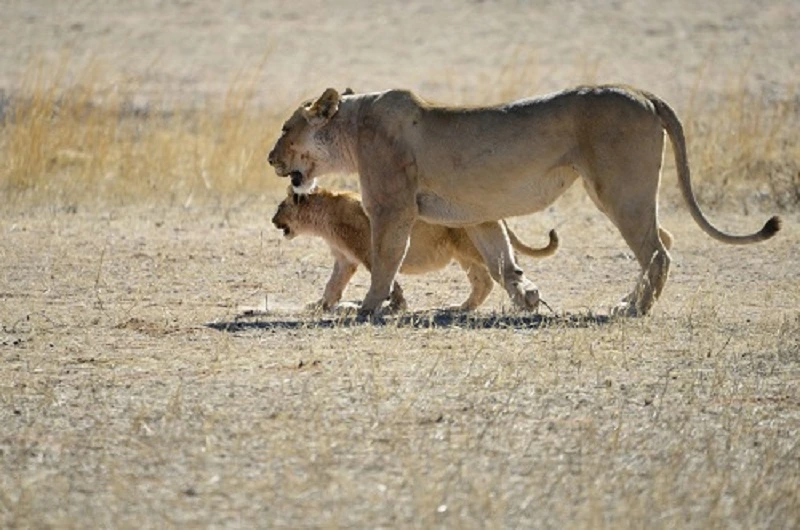
The Serengeti is home to over 70 species of mammals, including lions, elephants, cheetahs, and giraffes, along with more than 500 bird species. Serengeti Conservation ensures that these animals have safe habitats and resources to thrive.
2. Preserving the Great Migration
The Great Migration is one of the world’s most awe-inspiring natural phenomena. Serengeti Conservation protects the migration corridors and grazing lands crucial for this annual event, which supports millions of animals and attracts tourists from across the globe.
3. Climate Regulation
The Serengeti’s vast grasslands and forests play an important role in carbon sequestration, helping to mitigate the effects of climate change. Conservation efforts ensure these natural processes continue uninterrupted.
4. Supporting Local Communities
Conservation initiatives often include programs that involve and benefit local communities. Sustainable tourism and resource management provide income and education while promoting coexistence between people and wildlife.
Challenges to Serengeti Conservation
1. Poaching and Illegal Wildlife Trade
Despite strict protections, poaching remains a threat to species such as elephants and rhinos. Serengeti conservation efforts focus on combating poaching through patrols, surveillance, and international cooperation.
2. Human-Wildlife Conflict
As human populations around the Serengeti grow, conflicts between people and wildlife increase. Livestock predation and crop destruction are common issues. Conservation programs address these conflicts through innovative solutions like predator-proof enclosures and buffer zones.
3. Climate Change
Shifts in weather patterns, prolonged droughts, and unpredictable rainfall threaten the Serengeti’s delicate ecosystem. Conservation strategies must adapt to these changes to ensure the survival of the park’s flora and fauna.
4. Tourism Impact
While tourism is vital for funding conservation, unregulated or excessive tourism can damage fragile habitats. Sustainable practices are a cornerstone of Serengeti conservation efforts.
Key Serengeti Conservation Initiatives
1. Anti-Poaching Efforts
Dedicated teams and technology, such as drones and camera traps, are employed to monitor wildlife and deter poachers. Community education programs also play a role in reducing demand for illegal wildlife products.
2. Habitat Restoration
Projects aimed at reforesting areas, controlling invasive species, and maintaining water sources are essential parts of Serengeti Conservation. These efforts ensure the ecosystem remains balanced and resilient.
3. Wildlife Monitoring and Research
Scientific research provides valuable data on animal behavior, migration patterns, and ecosystem health. This information guides conservation policies and helps mitigate challenges like climate change.
4. Community Involvement
Conservation in the Serengeti includes engaging local communities in decision-making, providing education, and supporting sustainable livelihoods. These initiatives help foster a sense of ownership and responsibility for the park’s future.
Serengeti Conservation and Tourism
Sustainable tourism plays a vital role in supporting Serengeti conservation. Revenue from park fees and guided safaris funds many conservation programs. By visiting the Serengeti, tourists contribute directly to protecting its wildlife and landscapes.
We offer Serengeti safaris and tour packages designed to provide an authentic experience while supporting conservation efforts. Our safaris emphasize responsible travel, ensuring minimal impact on the environment while showcasing the beauty and diversity of the Serengeti.
The Future of Serengeti Conservation
The future of Serengeti Conservation depends on continued collaboration between governments, non-profits, researchers, and local communities. Technological advancements, such as GPS tracking for wildlife and AI-powered data analysis, are paving the way for more effective conservation strategies.
Education and awareness are also key. By understanding the importance of Serengeti conservation, individuals worldwide can support efforts to protect this iconic ecosystem. Whether through donations, ecotourism, or advocacy, every contribution counts.
Protecting the Legacy of the Serengeti
Serengeti Conservation is more than a local effort; it’s a global responsibility to preserve one of the Earth’s most extraordinary ecosystems. By safeguarding its landscapes and wildlife, we ensure that future generations can experience the wonder and beauty of the Serengeti.
Join us in celebrating and protecting this natural treasure through sustainable safaris and meaningful conservation efforts. Together, we can ensure that the Serengeti remains a symbol of untamed wilderness and ecological harmony.
Serengeti Conservation: Inquiry Form
Required fields are marked *
Serengeti Conservation - Related Articles


Want to plan a memorable Tanzanian adventure?
Vedastus is available and ready to assist. Receive a free, no-obligation quote.


Best Seller Tour Packages

5 Days Tanzania Safari

6 Days Tanzania Safari

2 Days Tanzania Safari

3 days Tanzania safari

4 Days Tanzania Safari

4 Days Serengeti and Ngorongoro Safari

3 Days Serengeti and Ngorongoro Safari

3 days Tarangire, Ngorongoro, and Manyara

2 Days Tarangire and Ngorongoro

4 Days Tarangire, Serengeti, and Ngorongoro

2 days Manyara and Ngorongoro

Ngorongoro Crater Day Trip Safari

Tarangire Day Trip Safari Tour

Lake Manyara Day Trip Safari


1-Day Tanzania Safari