The Majestic Serengeti Elephant Herds
Explore Serengeti elephant herds, their family bonds, social behaviors, and significance in Tanzania’s Serengeti National Park. Witness these majestic giants!
Get Your PDF Instantly

Serengeti Elephant Herds
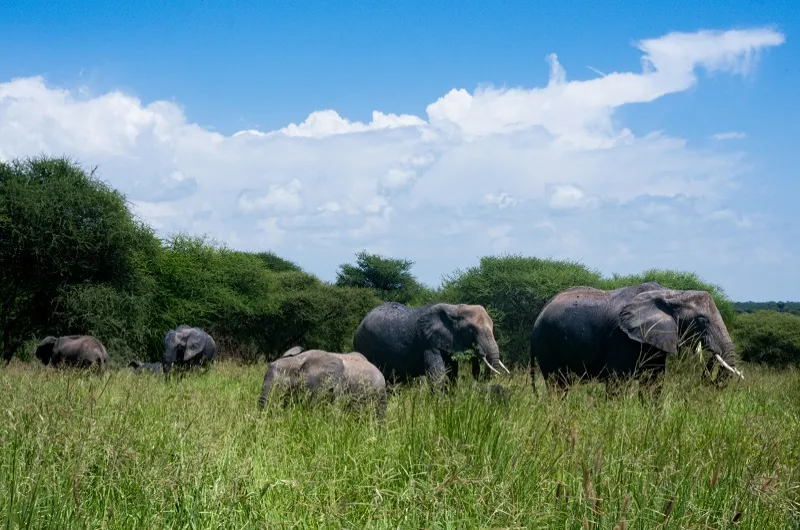
Serengeti elephant herds are among the most awe-inspiring wildlife spectacles in Tanzania’s Serengeti National Park. Known for their size, intelligence, and strong family bonds, elephants are iconic creatures of the Serengeti, contributing greatly to the park’s biodiversity and ecological balance. Watching a herd move gracefully across the vast plains is an unforgettable experience, making it a highlight for visitors on safari.
What Are Serengeti Elephant Herds?
Serengeti elephant herds are groups of African elephants (Loxodonta africana) that roam the diverse landscapes of the Serengeti. Elephants are highly social animals that live in matriarchal family groups, led by the eldest and most experienced female. A herd typically consists of mothers, their offspring, and juvenile elephants, while adult males often live alone or in bachelor groups.
The Serengeti provides an ideal habitat for elephants, with its open savannahs, woodlands, and water sources that sustain these massive animals. Herds can range in size from a few individuals to several dozen, depending on the availability of food and water.
The Social Dynamics of Serengeti Elephant Herds
The social structure of Serengeti elephant herds is one of the most fascinating aspects of their behavior. Elephants are known for their strong family bonds, with members displaying care and affection for one another.
Key aspects of their social dynamics include:
Matriarchal Leadership: The matriarch, typically the oldest and most knowledgeable female, leads the herd. She guides them to water sources, food, and safe areas, relying on her memory of the terrain.
Family Bonding: Elephants are highly empathetic creatures. They comfort each other during distress, mourn their dead, and celebrate births within the herd.
Learning and Communication: Young elephants learn essential survival skills from older members, while herds communicate through vocalizations, body language, and low-frequency rumbles that can travel long distances.
This deep social connection ensures the survival of the herd, especially in challenging environments like the Serengeti.
The Role of Serengeti Elephant Herds in the Ecosystem
Serengeti elephant herds play a critical role in maintaining the ecological balance of the region. Their feeding habits, movement, and behaviors influence the landscape and benefit other species.
Habitat Shaping: Elephants help shape the Serengeti’s vegetation by knocking down trees, clearing pathways, and grazing on shrubs. This creates open spaces that benefit grazing animals like zebras and wildebeest.
Seed Dispersal: By consuming fruits and plants and later excreting seeds, elephants contribute to the growth of new vegetation across vast distances.
Water Access: Elephants dig into dry riverbeds to access underground water, creating water sources that other animals can use during dry seasons.
Their presence ensures that the Serengeti remains a dynamic and thriving ecosystem, vital for all its inhabitants.
Where to Find Serengeti Elephant Herds
While Serengeti elephant herds are spread across the park, certain regions are particularly favored by these gentle giants:
Northern Serengeti: The lush woodlands near the Mara River are prime areas for spotting large herds.
Seronera Valley: This central area is a year-round hotspot for wildlife activity, including elephants.
Western Corridor: During the dry season, elephants congregate around rivers and waterholes in this region.
Guided safaris offer excellent opportunities to observe elephant herds in their natural habitats, along with other wildlife such as lions, giraffes, and wildebeest.
The Threats Facing Serengeti Elephant Herds
Despite their majesty, Serengeti elephant herds face significant threats from human activities and environmental challenges.
Poaching: Although conservation efforts have reduced poaching, illegal hunting for ivory remains a threat to elephants in some areas.
Habitat Loss: Encroachment by human settlements and agricultural expansion reduces the range available to elephants.
Climate Change: Shifts in rainfall patterns and prolonged droughts can affect the availability of water and food, placing stress on elephant populations.
Efforts by conservation organizations, local communities, and national park authorities aim to protect Serengeti elephant herds and ensure their survival for future generations.
We Offer Serengeti Safari Tours to See Elephant Herds
For those eager to witness the grandeur of Serengeti elephant herds, we provide tailored safari tours that bring you closer to these magnificent animals. Our tours include guided game drives through prime elephant habitats, giving you the chance to observe their behavior, social interactions, and unique personalities.
In addition to elephants, our safaris offer the opportunity to see other iconic Serengeti wildlife, including cheetahs, rhinos, and the Great Migration. We also organize tours to other national parks in Tanzania, such as Ngorongoro Crater and Tarangire National Park, to provide a comprehensive wildlife experience.
The Wonders of Serengeti Elephant Herds
Serengeti elephant herds are more than just a sight to behold—they are a symbol of the Serengeti’s natural beauty and ecological importance. Their intelligence, strong family bonds, and role in shaping the landscape make them an unforgettable highlight of any safari.
Whether you’re drawn to their majestic presence or intrigued by their behavior, Serengeti elephant herds promise a unique and enriching wildlife experience. Plan your visit to Serengeti National Park and create memories that will last a lifetime with these gentle giants.
Serengeti Elephant Herds: Inquiry Form
Required fields are marked *
Serengeti Elephant Herds - Related Articles


Want to plan a memorable Tanzanian adventure?
Vedastus is available and ready to assist. Receive a free, no-obligation quote.


Best Seller Tour Packages

5 Days Tanzania Safari

6 Days Tanzania Safari

2 Days Tanzania Safari

3 days Tanzania safari

4 Days Tanzania Safari

4 Days Serengeti and Ngorongoro Safari

3 Days Serengeti and Ngorongoro Safari

3 days Tarangire, Ngorongoro, and Manyara

2 Days Tarangire and Ngorongoro

4 Days Tarangire, Serengeti, and Ngorongoro

2 days Manyara and Ngorongoro

Ngorongoro Crater Day Trip Safari

Tarangire Day Trip Safari Tour

Lake Manyara Day Trip Safari


1-Day Tanzania Safari