Serengeti Seasonal Rains and Their Impact on Safaris
Discover the impact of Serengeti seasonal rains, from lush landscapes to wildlife migration. Plan your safari for the best experience in Tanzania.
Get Your PDF Instantly

Serengeti Seasonal Rains
Serengeti seasonal rains play a crucial role in shaping the ecosystem of the Serengeti National Park, transforming the landscape and influencing wildlife behavior. These rains bring life to the vast plains, rejuvenating vegetation and creating dramatic changes in the park’s scenery. While the rains create an awe-inspiring spectacle, they also present challenges for travelers. Understanding Serengeti seasonal rains helps visitors plan the best time to experience this natural wonder.
What Are Serengeti Seasonal Rains?
Serengeti seasonal rains refer to the annual rainfall patterns in the Serengeti, which typically occur in two distinct periods:
Long Rains: From late March to May, the Serengeti experiences heavier rains that can last for extended periods, making certain areas difficult to access.
Short Rains: A lighter rainy season occurs from November to early December, offering brief showers and a greener landscape without as much disruption to travel plans.
These rains are essential for maintaining the Serengeti’s delicate ecosystem, ensuring the survival of countless plant and animal species. The long rains and short rains differ in intensity, but both contribute significantly to the park’s biodiversity.
When to Visit: Avoiding the Long Serengeti Seasonal Rains
Travelers are often advised to plan their Serengeti safari during the dry seasons or outside the long rainy periods. Here’s a breakdown of the seasons and their impact:
Dry Season (June to October):
This is the best time to visit the Serengeti, as the absence of rain makes wildlife spotting easier. Animals gather around water sources, and the grasses are shorter, providing clear views. Safaris are more comfortable, and roads are more accessible during this time.
Short Rainy Season (December to Early March):
The short rains bring sporadic showers that enhance the landscape’s greenery without significantly affecting travel conditions. This is also a great time to witness the start of the wildebeest calving season, as the fresh grass attracts herds to the southern Serengeti.
Long Rain Season (Late March to May):
During this period, heavy rains make some areas muddy and impassable. Wildlife disperses across the park, and visibility is reduced due to tall grass and dense vegetation. While the park remains stunningly lush, it’s not ideal for safari enthusiasts who prefer dry and accessible conditions.
How Serengeti Seasonal Rains Impact the Ecosystem
Revitalizing the Landscape:
The Serengeti seasonal rains bring life to the plains, transforming them into vibrant green pastures. This is critical for the survival of grazing herbivores such as zebras, wildebeests, and antelopes, which rely on the fresh grass for nourishment.
Triggering the Great Migration:
The rains play a vital role in driving the movement of the Great Migration. As the grasses grow lush in the southern Serengeti, herds of wildebeests and zebras migrate to these areas for calving and grazing. This natural cycle ensures the survival of millions of animals and provides one of the most spectacular wildlife displays on Earth.
Boosting Biodiversity:
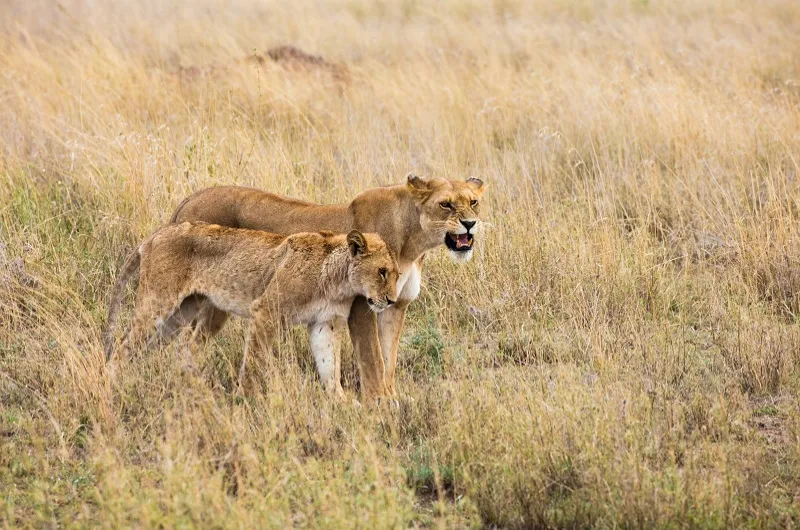
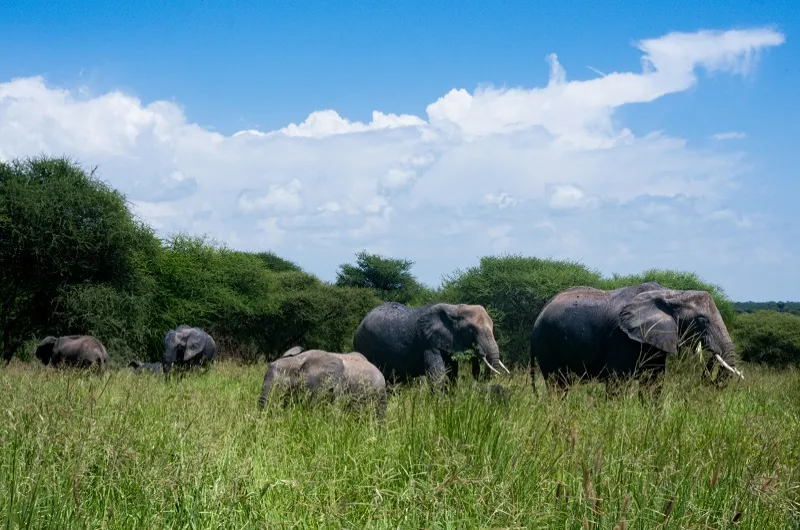
With the rains come an abundance of food and water, attracting a wide range of species to the Serengeti. Birdlife flourishes, with migratory birds arriving to take advantage of the enriched environment. Predators such as lions, cheetahs, and hyenas follow the herds, ensuring dramatic scenes of the food chain in action.
Flooding and River Flow:
Rivers and watering holes swell with rainfall, providing critical water sources during the dry months. The Serengeti’s river habitats, such as the Mara and Grumeti Rivers, become even more vital for the ecosystem as they ensure the survival of aquatic species and the animals dependent on these habitats.
Planning a Safari Around Serengeti Seasonal Rains
While Serengeti seasonal rains bring unparalleled beauty, they also present challenges for safaris. Visitors should carefully plan their trips to ensure the best possible experience.
Best Time to Visit:
The dry season from June to October remains the most popular time for safaris. During this period, the Serengeti is easier to navigate, and wildlife congregates near water sources, making sightings more frequent and accessible.
Consider Short Rains:
The short rainy season offers a balance between lush landscapes and manageable travel conditions. If you’re seeking a quieter Serengeti experience with fewer tourists, this period is a great choice.
Avoid the Long Rains:
The long rainy season can hinder travel with muddy roads and less predictable wildlife behavior. Although the park’s greenery is at its peak, safari logistics may become more challenging.
Expert Safari Guides:
Regardless of the season, traveling with an experienced guide ensures you get the most out of your Serengeti visit. Guides know how to navigate the park’s conditions and lead you to the best wildlife viewing spots.
Why Serengeti Seasonal Rains Are Worth Experiencing
Despite the challenges they may pose, Serengeti seasonal rains create some of the most magical moments in the park. The rains breathe life into the Serengeti, painting the plains in vivid hues and filling the air with the sounds of nature. Witnessing the transformation brought by the rains offers a deeper understanding of the Serengeti’s unique ecosystem and its intricate balance.
The rains also provide opportunities for exceptional wildlife photography. From dramatic skies to animals thriving in their revitalized habitat, the scenes during the rainy season are a photographer’s dream.
Our Serengeti Safari Tours
We offer tailor-made Serengeti safari tours to help you experience the park at its best. Whether you wish to avoid the long rainy season or explore the Serengeti during the short rains, our tours are designed to suit your preferences. In addition to the Serengeti, we provide safaris in other national parks across Tanzania, ensuring a comprehensive and unforgettable adventure.
Plan your trip with us and discover the beauty of Serengeti seasonal rains and the magic they bring to one of Africa’s most iconic landscapes.
Serengeti seasonal rains are an essential part of the Serengeti’s natural cycle, shaping the landscape and the lives of its inhabitants. While they may pose challenges for visitors, they also offer unmatched beauty and a unique perspective on this incredible ecosystem. By understanding the seasonal patterns and planning accordingly, you can enjoy an unforgettable safari experience in the Serengeti.
Serengeti Seasonal Rains: Inquiry Form
Required fields are marked *
Serengeti Seasonal Rains - Related Articles


Want to plan a memorable Tanzanian adventure?
Vedastus is available and ready to assist. Receive a free, no-obligation quote.


Best Seller Tour Packages

5 Days Tanzania Safari

6 Days Tanzania Safari

2 Days Tanzania Safari

3 days Tanzania safari

4 Days Tanzania Safari

4 Days Serengeti and Ngorongoro Safari

3 Days Serengeti and Ngorongoro Safari

3 days Tarangire, Ngorongoro, and Manyara

2 Days Tarangire and Ngorongoro

4 Days Tarangire, Serengeti, and Ngorongoro

2 days Manyara and Ngorongoro

Ngorongoro Crater Day Trip Safari

Tarangire Day Trip Safari Tour

Lake Manyara Day Trip Safari


1-Day Tanzania Safari