Understand Serengeti Weather: Guide to Seasons and Climate
Discover Serengeti Weather and how it shapes the wildlife and landscapes of this iconic region, perfect for planning your Serengeti safari experience.
Get Your PDF Instantly

What Is Serengeti Weather?
Serengeti Weather refers to the diverse and dynamic climatic conditions of the Serengeti National Park, located in northern Tanzania. Known for its vast plains and rich wildlife, the Serengeti experiences a tropical savannah climate with distinct wet and dry seasons. These weather patterns play a crucial role in shaping the ecosystem and influencing the behavior of its animals.
Understand Serengeti weather is essential for planning safaris, as it determines wildlife visibility, the timing of the Great Migration, and the overall safari experience. Discover Guide to Seasons and Climate.
The Climate of Serengeti National Park
Dry Season (June to October)
The Serengeti’s dry season is characterized by clear skies, cooler temperatures, and minimal rainfall. Daytime temperatures average between 20°C (68°F) and 25°C (77°F), while nights can be significantly cooler, sometimes dropping to 10°C (50°F).
This is the prime time for wildlife viewing, as animals gather around water sources, and vegetation is sparse, making it easier to spot predators and prey. The dry season is also ideal for witnessing river crossings during the Great Migration.
Wet Season (November to May)
The wet season is divided into two parts: the short rains (November to December) and the long rains (March to May). During the short rains, brief but intense showers refresh the landscape, turning the plains lush and green. The long rains bring more consistent and heavier rainfall, especially in April.
Temperatures during the wet season are warmer, averaging between 24°C (75°F) and 28°C (82°F). Despite the rains, this period offers unique opportunities for bird watching, as migratory species arrive, and the scenery becomes vibrant and picturesque.
The Impact of Serengeti Weather on Wildlife
The Great Migration
One of the most iconic events in the Serengeti, the Great Migration, is heavily influenced by Serengeti weather. The movement of millions of wildebeests, zebras, and gazelles is driven by the availability of water and fresh grass.
During the wet season, herds graze on the nutrient-rich southern plains. As the dry season approaches, they journey north toward the Mara River in search of water and grazing land. The timing and route of the migration are closely linked to rainfall patterns, showcasing the vital role of weather in this natural spectacle.
Predator Behavior
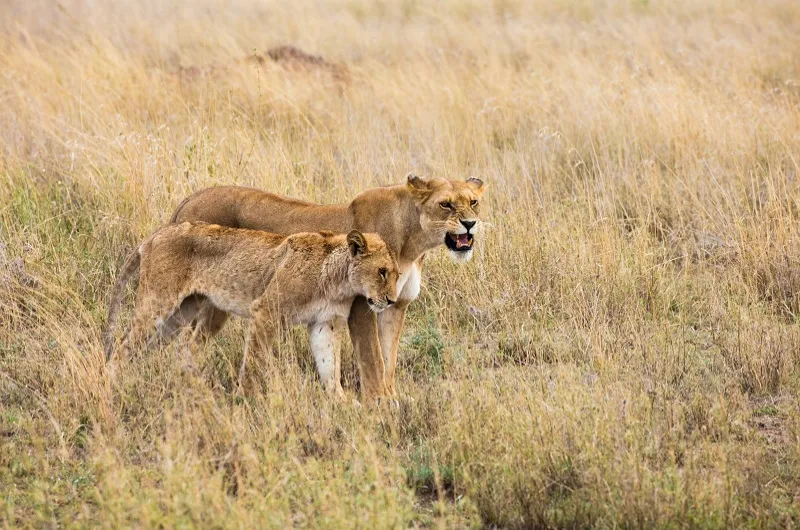
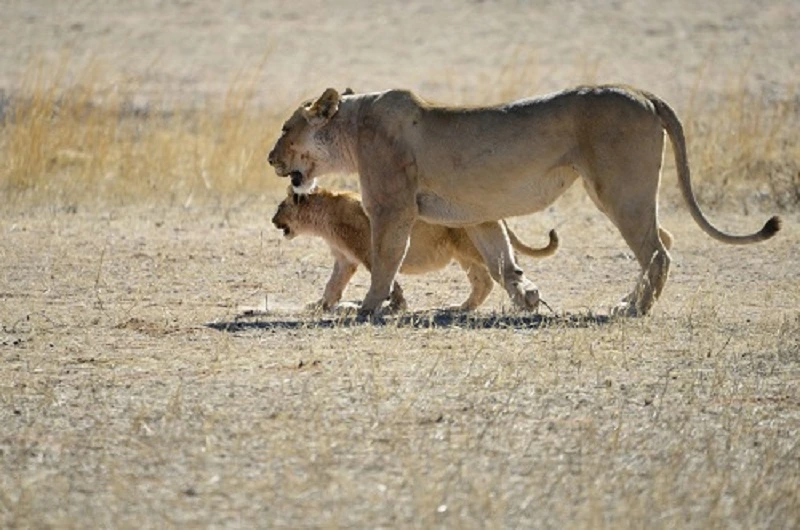
Predators such as lions, leopards, and cheetahs adapt their hunting strategies based on Serengeti weather. During the dry season, predators exploit the limited water sources, ambushing prey that gathers there. In contrast, the wet season’s tall grasses provide cover for stalking prey, though it may also make spotting them more challenging.
Birdlife
The Serengeti is a paradise for bird enthusiasts, with over 500 bird species thriving in its diverse habitats. Serengeti weather during the wet season attracts migratory birds, including flamingos, storks, and raptors, making it a prime time for bird watching.
Best Times to Visit Based on Serengeti Weather
For Wildlife Viewing
The dry season (June to October) is the most popular time for safaris, offering excellent wildlife visibility and comfortable weather conditions.
For Bird Watching and Scenic Beauty
The wet season (November to May) is ideal for bird watchers and photographers seeking lush landscapes and dramatic skies. The calving season, which occurs between January and February, is another highlight, as thousands of newborn animals attract predators, creating dramatic wildlife interactions.
How Serengeti Weather Shapes the Landscape
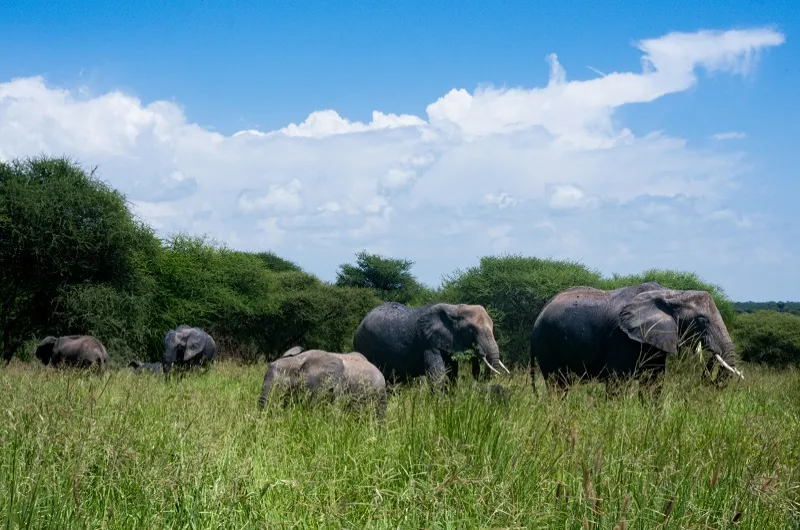
Serengeti Weather is a driving force behind the park’s iconic landscapes. The alternating wet and dry periods create a mosaic of ecosystems, including open grasslands, woodlands, and riverine forests. During the rains, the plains transform into a verdant paradise, while the dry season exposes the golden savannahs that stretch to the horizon.
These shifting conditions support a diverse range of flora and fauna, ensuring the Serengeti remains one of the most biologically rich areas in the world.
Plan Your Visit with Serengeti Weather in Mind
We offer Serengeti safaris and tour packages tailored to align with the best Serengeti weather for your interests. Whether you wish to witness the Great Migration, explore birdlife, or enjoy the park’s scenic beauty, our packages provide unforgettable experiences while supporting conservation efforts.
Our guides are experienced in navigating the Serengeti’s varied weather conditions, ensuring that your safari is comfortable and rewarding. From luxury lodges to mobile camps, we cater to all preferences, offering flexibility and personalized service.
Conservation and Serengeti Weather
Preserving the delicate balance of Serengeti weather is vital for maintaining the park’s biodiversity. Climate change poses a significant threat, potentially altering rainfall patterns and disrupting ecosystems. Conservation efforts focus on sustainable tourism, habitat restoration, and research to mitigate these impacts and protect the Serengeti for future generations.
Serengeti Weather—A Dynamic Force
Serengeti Weather is more than just a backdrop; it is a dynamic force that shapes the wildlife, landscapes, and experiences of this iconic region. By understand its patterns, you can plan your safari to align with your interests and make the most of this unparalleled destination.
Experience the Serengeti in its full glory, guided by the rhythms of its weather, and create memories that will last a lifetime.
Serengeti Weather: Inquiry Form
Required fields are marked *
Serengeti Weather - Related Articles


Want to plan a memorable Tanzanian adventure?
Vedastus is available and ready to assist. Receive a free, no-obligation quote.


Best Seller Tour Packages

5 Days Tanzania Safari

6 Days Tanzania Safari

2 Days Tanzania Safari

3 days Tanzania safari

4 Days Tanzania Safari

4 Days Serengeti and Ngorongoro Safari

3 Days Serengeti and Ngorongoro Safari

3 days Tarangire, Ngorongoro, and Manyara

2 Days Tarangire and Ngorongoro

4 Days Tarangire, Serengeti, and Ngorongoro

2 days Manyara and Ngorongoro

Ngorongoro Crater Day Trip Safari

Tarangire Day Trip Safari Tour

Lake Manyara Day Trip Safari


1-Day Tanzania Safari