The Elusive Aardwolf in Tanzania: Safari Adventure Awaits
Discover the fascinating aardwolf in Tanzania on unforgettable safaris. Learn about its habits, where to spot it, and how to plan your adventure.
Get Your PDF Instantly
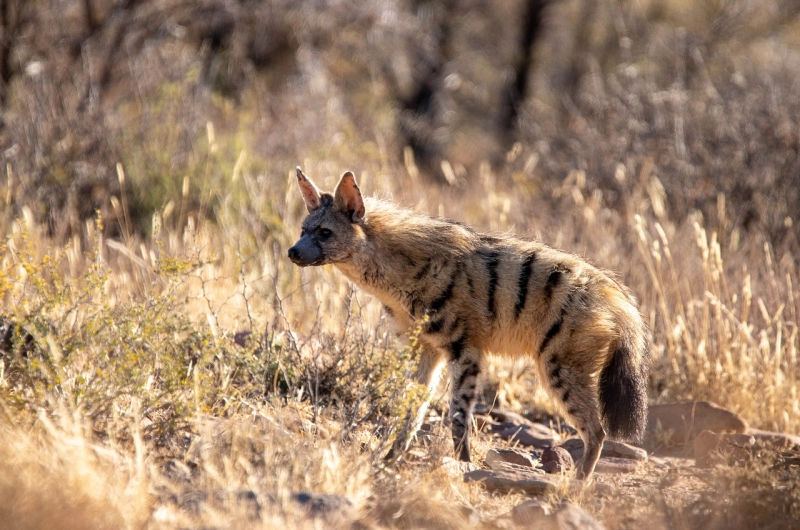
What is an aardwolf?
The aardwolf is a nocturnal, insectivorous mammal belonging to the hyena family. Its name, derived from the Afrikaans language, means "earth wolf," referencing its burrowing habits and ground-based diet. Unlike its larger hyena relatives, the aardwolf is non-aggressive and primarily feeds on termites. These fascinating creatures play a vital role in maintaining the ecological balance by controlling insect populations.
Aardwolf in Tanzania
Aardwolves in Tanzania are unique inhabitants of the grasslands and open savannas, often found in regions where termite mounds are abundant. These shy and solitary animals thrive in the country’s diverse ecosystems. While they are more active at night, with patience and expert guidance, you may spot them during a Tanzania safari, particularly in protected areas.
Aardwolf Safari in Tanzania
An aardwolf safari in Tanzania is an extraordinary experience for wildlife enthusiasts. Venturing into prime habitats like Serengeti National Park or Ruaha National Park increases your chances of encountering this elusive creature. Guided night drives are especially thrilling, as the aardwolf is primarily nocturnal and best observed under the moonlit sky.
Aardwolf Tours and Safaris in Tanzania
Aardwolf tours and safaris in Tanzania provide a unique perspective on the country’s lesser-known wildlife. These safaris take you to the heart of Tanzania’s wilderness, where you can witness the aardwolf’s shy yet intriguing behavior. Spotting an aardwolf in its natural habitat is a rewarding moment for safari-goers seeking to discover the diversity of Tanzania’s wildlife.
Scientific Classification of Aardwolf
Scientific Name: Proteles cristata
Kingdom: Animalia
Phylum: Chordata
Class: Mammalia
Order: Carnivora
Family: Hyaenidae
Genus: Proteles
Where to See Aardwolves in Tanzania
1. Serengeti National Park: The iconic Serengeti is not only home to the Big Five but also to lesser-known species like the aardwolf, often found in its vast open plains.
2. Ruaha National Park: Known for its rugged terrain, Ruaha offers prime habitats for aardwolves, especially in areas rich with termite activity.
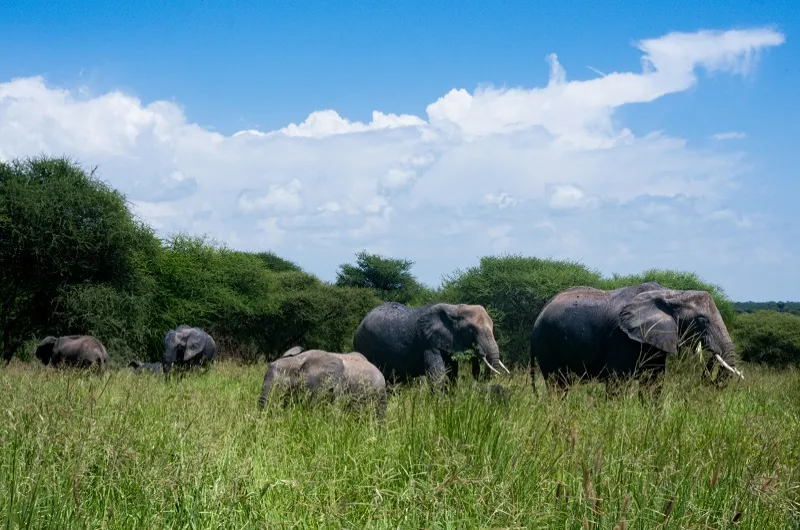
3. Tarangire National Park: Famous for its dense populations of elephants and baobab trees, Tarangire also shelters the elusive aardwolf.
4. Selous Game Reserve: A haven for diverse wildlife, Selous provides a chance to spot nocturnal species like the aardwolf during night drives.
10 Fascinating Facts About the Aardwolf
1. Diet Specialization: Aardwolves primarily feed on termites, consuming up to 300,000 termites in a single night using their long, sticky tongues.
2. Non-Aggressive Nature: Unlike other hyenas, aardwolves are non-aggressive and avoid scavenging, relying solely on insects for sustenance.
3. Nocturnal Lifestyle: Aardwolves are most active at night, emerging from their dens to hunt termites under the cover of darkness.
4. Territorial Behavior: These animals are highly territorial and mark their range using scent glands to deter intruders.
5. Adapted Teeth: Unlike other carnivores, aardwolves have reduced teeth suited for their insect-based diet rather than for tearing flesh.
6. Monogamous Mates: Aardwolves are monogamous, with pairs sharing a territory and raising their cubs together.
7. Ecological Role: By consuming termites, aardwolves help control insect populations, preventing over infestation.
8. Burrow Dwellers: They often use burrows abandoned by other animals for shelter and protection.
9. Distinctive Coat: Their striped coat provides excellent camouflage, helping them blend into their surroundings.
10. Longevity: In the wild, aardwolves typically live up to 10 years, with slightly longer lifespans in captivity.
Physical Characteristics of Aardwolf
1. Size and Weight: Adult aardwolves weigh between 8–12 kg (17–26 lbs) and measure 55–80 cm (22–31 inches) in length, excluding the tail.
2. Fur and Markings: They have a yellowish-brown coat with distinctive black stripes, aiding in camouflage.
3. Mane: Aardwolves have a mane running along their back that stands erect when threatened, making them appear larger.
4. Tail: Their bushy tail, black-tipped and proportionate to their body, enhances balance and signaling.
5. Specialized Tongue: The aardwolf’s long, sticky tongue is perfectly adapted for picking up termites from their mounds.
Contact Us to Arrange Your Tanzania Safari
Are you ready to uncover the wonders of the Aardwolf in Tanzania? Contact us to plan your Tanzania safari, offering you the chance to see this fascinating creature and explore the country’s incredible biodiversity. Whether you’re drawn to the open plains of Serengeti or the rugged landscapes of Ruaha, we’ll help you experience the adventure of a lifetime. Adventure Awaits!
Aardwolf in Tanzania: Inquiry Form
Required fields are marked *
Aardwolf in Tanzania - Related Articles



Want to plan a memorable Tanzanian adventure?
Vedastus is available and ready to assist. Receive a free, no-obligation quote.


Best Seller Tour Packages

5 Days Tanzania Safari

6 Days Tanzania Safari

2 Days Tanzania Safari

3 days Tanzania safari

4 Days Tanzania Safari

4 Days Serengeti and Ngorongoro Safari

3 Days Serengeti and Ngorongoro Safari

3 days Tarangire, Ngorongoro, and Manyara

2 Days Tarangire and Ngorongoro

4 Days Tarangire, Serengeti, and Ngorongoro

2 days Manyara and Ngorongoro

Ngorongoro Crater Day Trip Safari

Tarangire Day Trip Safari Tour

Lake Manyara Day Trip Safari


1-Day Tanzania Safari