Discover the Blue Monkey: Best Tanzania Safari Adventures
Explore the fascinating blue monkey in Tanzania on the best safaris and monkey adventures. Discover their habitats, behavior, and unique features.
Get Your PDF Instantly
What is a blue monkey?
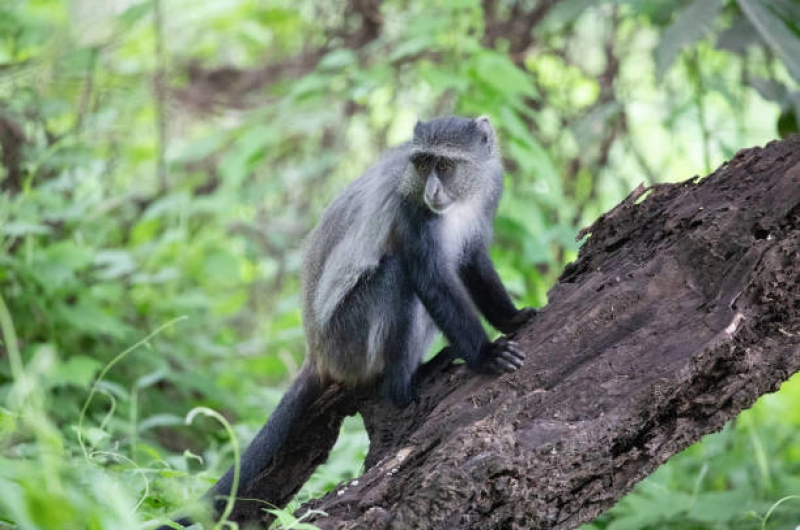
The Blue Monkey, scientifically known as Cercopithecus mitis, is an intriguing species of Old World monkey characterized by its vibrant coat and striking facial features. Despite its name, the blue monkey doesn’t actually appear blue but has a bluish-grey tinge in its fur, giving it the distinctive name. These monkeys are highly adaptable and thrive in forested environments, making them a vital part of Africa’s ecosystems.
Blue Monkey in Tanzania
In Tanzania, blue monkeys are widely distributed in forested areas, particularly in regions with abundant water sources. Known for their elusive nature, blue monkeys in Tanzania are often seen leaping between tree canopies or quietly foraging for food on the forest floor. Their presence adds to the diversity of Tanzania’s wildlife, making them a fascinating species to observe.
Blue Monkey Safari in Tanzania
A blue monkey safari in Tanzania offers a unique experience to witness these enchanting primates in their natural habitat. Safaris often provide opportunities to explore areas rich in biodiversity, where blue monkeys are commonly found. Observing their agile movements and social interactions is a memorable part of any wildlife adventure in Tanzania.
Monkey Adventures in Tanzania
Monkey adventures in Tanzania provide an exciting way to explore the country’s rich primate diversity, including Blue Monkeys. These adventures take you into lush forests and woodlands where various monkey species thrive. Alongside blue monkeys, you may encounter other primates like colobus monkeys and vervet monkeys, adding variety to your exploration.
Scientific Classification of Blue Monkey
Scientific Name: Cercopithecus mitis
Kingdom: Animalia
Phylum: Chordata
Class: Mammalia
Order: Primates
Family: Cercopithecidae
Genus: Cercopithecus
Where to See Blue Monkeys in Tanzania
1. Arusha National Park: Known for its lush forests and diverse wildlife, Arusha National Park is a hotspot for spotting blue monkeys.
2. Lake Manyara National Park: Famous for its groundwater forests, Lake Manyara is an excellent destination for observing blue monkeys.
3. Udzungwa Mountains National Park: This biodiverse region offers a pristine environment where blue monkeys thrive.
4. Gombe Stream National Park: While renowned for its chimpanzees, this park also provides opportunities to see blue monkeys in their natural habitat.
5. Mahale Mountains National Park: Located on the shores of Lake Tanganyika, Mahale is another scenic destination where Blue Monkeys can be observed.
10 Interesting Facts About Blue Monkeys
1. Social Animals: Blue monkeys live in troops of 10 to 40 members, led by a dominant male. Their groups are tightly knit and often display strong social bonds.
2. Diet Diversity: They primarily feed on fruits, leaves, and flowers but will also eat insects when necessary. Their diet plays a crucial role in seed dispersal.
3. Distinct Vocalizations: Blue Monkeys use a variety of sounds to communicate, including alarm calls to warn against predators.
4. Forest Dwellers: These monkeys are arboreal and spend most of their time in trees, descending only occasionally to forage.
5. Distinct Facial Features: They have a white patch on their throat and chest, contrasting with their dark facial mask.
6. Adaptable Habitats: While they prefer dense forests, blue monkeys can adapt to various environments, including montane and lowland forests.
7. Predator Awareness: Common predators include leopards, eagles, and large snakes. Blue monkeys rely on their agility and group cooperation to evade threats.
8. Lifespan: In the wild, blue monkeys live around 20 years, but in captivity, they can live up to 30 years.
9. Playful Nature: Juvenile Blue Monkeys are known for their playful antics, which are essential for developing social and survival skills.
10. Vital Ecosystem Role: By consuming fruits and dispersing seeds, blue monkeys contribute to forest regeneration and biodiversity.
Physical Characteristics of Blue Monkeys
1. Size and Weight: Adult Blue Monkeys weigh between 4–8 kg (8.8–17.6 lbs), with males generally being larger than females.
2. Coat Color: Their fur ranges from greyish-blue to dark brown, with a bluish sheen that gives them their name.
3. Facial Markings: They have dark faces with lighter markings around the eyes and nose, making them easily distinguishable.
4. Tail Length: Their long, bushy tails, which often exceed their body length, help them balance while navigating tree canopies.
5. Agile Build: Blue monkeys have strong, slender limbs adapted for climbing and leaping between trees.
Contact Us to Arrange Your Tanzania Safari
If you’re captivated by the idea of seeing blue monkeys in Tanzania, contact us to arrange a safari that takes you into the heart of their habitats. Whether exploring the forests of Arusha National Park or the lush landscapes of Udzungwa, we’ll ensure your Tanzania safari is unforgettable. Witness blue monkeys and other incredible wildlife in their natural environments while experiencing the beauty of Tanzania.
Blue Monkey in Tanzania: Inquiry Form
Required fields are marked *
Blue Monkey in Tanzania - Related Articles



Want to plan a memorable Tanzanian adventure?
Vedastus is available and ready to assist. Receive a free, no-obligation quote.


Best Seller Tour Packages

5 Days Tanzania Safari

6 Days Tanzania Safari

2 Days Tanzania Safari

3 days Tanzania safari

4 Days Tanzania Safari

4 Days Serengeti and Ngorongoro Safari

3 Days Serengeti and Ngorongoro Safari

3 days Tarangire, Ngorongoro, and Manyara

2 Days Tarangire and Ngorongoro

4 Days Tarangire, Serengeti, and Ngorongoro

2 days Manyara and Ngorongoro

Ngorongoro Crater Day Trip Safari

Tarangire Day Trip Safari Tour

Lake Manyara Day Trip Safari


1-Day Tanzania Safari