Buffalo Safari in Tanzania: The Mighty African Icon
Discover the incredible buffalo in Tanzania, a safari favorite. Learn about their habitats, unique traits, and the best parks to see these majestic animals.
Get Your PDF Instantly

What is a Buffalo?
The African buffalo, or Cape buffalo (Syncerus caffer), is a large, powerful mammal native to sub-Saharan Africa. Known for its imposing size and distinctive curved horns, the buffalo is a member of the "Big Five" game animals. Unlike domestic cattle, African buffalos are wild and unpredictable, which has earned them a reputation as one of the continent’s most dangerous animals. These herbivorous grazers play a crucial role in maintaining the balance of their ecosystems.
Buffalo in Tanzania
Buffalo in Tanzania are among the most abundant and icon wildlife species you can encounter on safari. They are found in large herds that roam the open savannahs, wetlands, and woodlands of Tanzania’s national parks and reserves. Tanzania is home to thousands of mighty African buffalos, making it an ideal destination for wildlife enthusiasts. Observing these magnificent creatures in their natural habitat offers a glimpse into the complex dynamics of the African wilderness.
Buffalo Safari in Tanzania
A buffalo safari in Tanzania is an experience like no other. Whether you’re witnessing a massive herd crossing the Serengeti or spotting solitary bulls in Tarangire National Park, buffalos are an integral part of the safari adventure. Their impressive presence, coupled with their interaction with other species, provides a captivating spectacle for safari-goers. Tanzania’s protected areas ensure excellent opportunities to see buffalos year-round.
Scientific Classification of Buffalo
Scientific Name: Syncerus caffer
Kingdom: Animalia
Phylum: Chordata
Class: Mammalia
Order: Artiodactyla
Family: Bovidae
Genus: Syncerus
Best Places to See Buffalos in Tanzania
1. Serengeti National Park: Home to large herds of buffalos, the Serengeti offers unparalleled viewing opportunities, especially during the dry season.
2. Ngorongoro Conservation Area: Buffalos thrive in the lush grasslands of the Ngorongoro Crater, coexisting with other Big Five species.
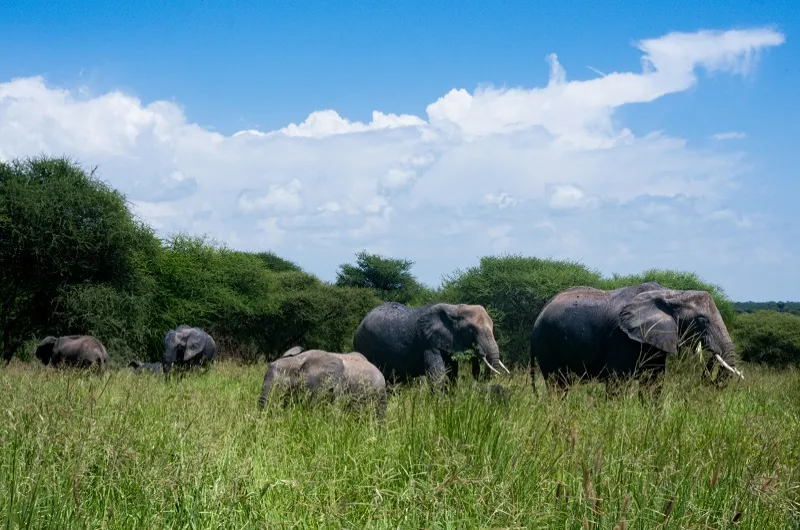
3. Tarangire National Park: Known for its vast elephant population, Tarangire also hosts impressive buffalo herds, often near the Tarangire River.
4. Lake Manyara National Park: The park’s diverse habitats attract buffalos, which can be seen grazing in the floodplains and forests.
5. Selous Game Reserve: One of Africa’s largest game reserves, Selous is a haven for buffalos, offering a quieter and more intimate safari experience.
10 Interesting Facts About Buffalo
1. Social Animals
Buffalos live in large herds that can number in the hundreds. These groups are led by dominant females, while older males often form smaller bachelor groups.
2. Dangerous Reputation
Buffalos are considered one of Africa’s most dangerous animals due to their unpredictable nature and strong defense mechanisms, especially when threatened.
3. Strong Herd Bonds
When one member of a herd is attacked, others often rally to defend it. This collective defense behavior sets buffalos apart from many other species.
4. Exceptional Memory
Buffalos remember places and events, particularly locations where they have encountered threats, demonstrating remarkable spatial awareness.
5. Powerful Horns
The horns of a buffalo are made of keratin and form a solid shield called a "boss" at the center of the male’s head, providing defense during fights.
6. Efficient Grazers
Buffalos are bulk grazers, consuming large amounts of grass. Their grazing patterns help maintain the health and balance of grasslands.
7. Keen Senses
With sharp hearing and a strong sense of smell, buffalos are adept at detecting predators, even from considerable distances.
8. Weight and Strength
Adult buffalos can weigh up to 1,000 kilograms (2,200 pounds), making them one of the largest terrestrial animals in Africa.
9. Water Dependence
Buffalos need to drink water daily, which is why they are often found near rivers, lakes, and watering holes.
10. Long Lifespan
In the wild, buffalos can live up to 20 years, provided they avoid threats from predators and poachers.
Buffalo Physical Characteristics
1. Size and Build
Buffalos are massive animals with a robust body, a thick neck, and muscular shoulders, allowing them to charge with incredible force when threatened.
2. Horns
Both males and females have horns, but the male’s horns are larger, forming a distinctive central shield known as a "boss."
3. Coat and Color
Buffalos have a coarse coat that ranges from dark brown to black, with younger animals often showing lighter colors.
4. Ears
Their large, fringed ears help them detect sounds and regulate body temperature in hot climates.
5. Eyes and Vision
Buffalos have sharp vision, particularly during low-light conditions, which helps them stay vigilant against predators.
Contact Us to Arrange Your Tanzania Safari
Experience the thrill of seeing buffalo in their natural habitat on a Tanzania safari. From the Serengeti to Ngorongoro, our safaris offer unique opportunities to witness these magnificent animals and other wildlife. Contact us today to plan your journey into Tanzania’s incredible wilderness, where unforgettable encounters await.
Buffalo in Tanzania: Inquiry Form
Required fields are marked *
Buffalo in Tanzania - Related Articles



Want to plan a memorable Tanzanian adventure?
Vedastus is available and ready to assist. Receive a free, no-obligation quote.


Best Seller Tour Packages

5 Days Tanzania Safari

6 Days Tanzania Safari

2 Days Tanzania Safari

3 days Tanzania safari

4 Days Tanzania Safari

4 Days Serengeti and Ngorongoro Safari

3 Days Serengeti and Ngorongoro Safari

3 days Tarangire, Ngorongoro, and Manyara

2 Days Tarangire and Ngorongoro

4 Days Tarangire, Serengeti, and Ngorongoro

2 days Manyara and Ngorongoro

Ngorongoro Crater Day Trip Safari

Tarangire Day Trip Safari Tour

Lake Manyara Day Trip Safari


1-Day Tanzania Safari