The Enchanting Bush Baby in Tanzania Safari
Discover the charming bush baby in Tanzania. Learn about their habitats, fascinating behavior, and where to see them on a safari adventure.
Get Your PDF Instantly
What is a bush baby?
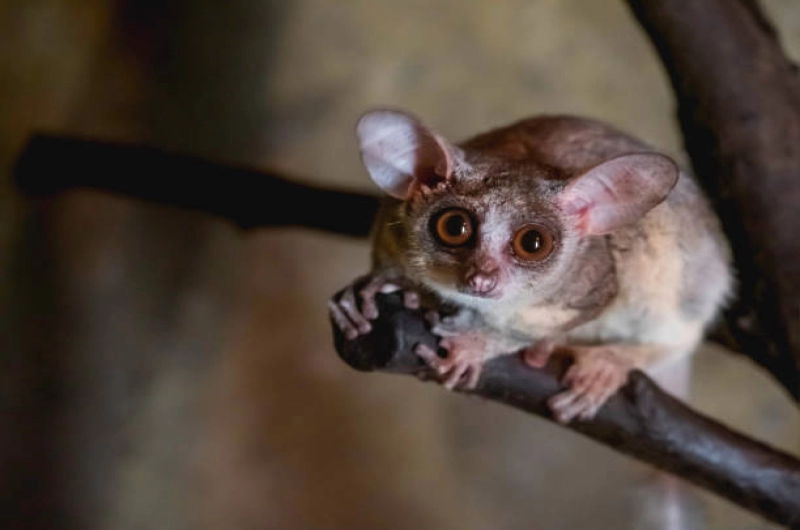
The bush baby, also known as a galago, is a small, nocturnal primate native to Africa. Renowned for their large, reflective eyes and quick, agile movements, bush babies are extraordinary creatures of the night. Their name originates from their cry, resembling that of a baby, and their frequent presence in bushy habitats. These tiny mammals are celebrated for their incredible jumping ability and highly developed senses, making them captivating to observe in the wild.
Bush Baby in Tanzania
The bushbaby in Tanzania is an integral part of the country’s unique wildlife. Found in woodlands, forests, and savannahs, these elusive primates are a delight for those lucky enough to spot them. Tanzania’s safari parks and reserves provide excellent opportunities to witness bush babies in their natural habitat. Their nocturnal lifestyle means they are most active after sundown, often heard before they are seen, as their distinctive cries echo through the night.
Scientific Classification of the Bush Baby
Scientific Name: Galago senegalensis (most common species in Tanzania)
Kingdom: Animalia
Phylum: Chordata
Class: Mammalia
Order: Primates
Family: Galagidae
Where to See Bush Babies in Tanzania
1. Serengeti National Park
The Serengeti is home to many species of bush babies, particularly in its wooded and riverine areas. Their nocturnal nature makes night drives or evening walks an excellent way to encounter them.
2. Tarangire National Park
Tarangire’s dense woodlands and iconic baobabs are perfect habitats for bush babies. Keep an ear out for their calls while exploring the park’s quieter areas.
3. Lake Manyara National Park
This park’s lush forest canopy provides ideal conditions for bush babies. Visitors often hear their cries during evening stays at nearby lodges or camps.
4. Ruaha National Park
Ruaha offers a more remote safari experience, where bush babies thrive in undisturbed woodland habitats.
5. Udzungwa Mountains National Park
The dense forest of Udzungwa is a biodiversity hotspot, hosting various bush baby species. Their nocturnal calls can often be heard amidst the jungle sounds.
10 Fascinating Facts About Bush Babies
1. Exceptional Jumpers
Bush babies can leap up to 2 meters in a single bound, using their strong legs and long tails for balance and propulsion.
2. Nocturnal Lifestyle
Their large, reflective eyes provide excellent night vision, helping them navigate and hunt in the dark.
3. Distinctive Calls
The cry of a bush baby resembles that of a human infant, which can be haunting yet intriguing when heard in the wild.
4. Dietary Diversity
They feed on insects, fruits, tree gum, and small animals, showcasing their adaptability in various environments.
5. Complex Communication
Bush babies communicate using vocalizations, scent markings, and physical gestures, making them highly social within their groups.
6. Adaptable Habitats
They thrive in diverse habitats, from dense forests to dry savannahs, highlighting their resilience and versatility.
7. Family-Oriented Behavior
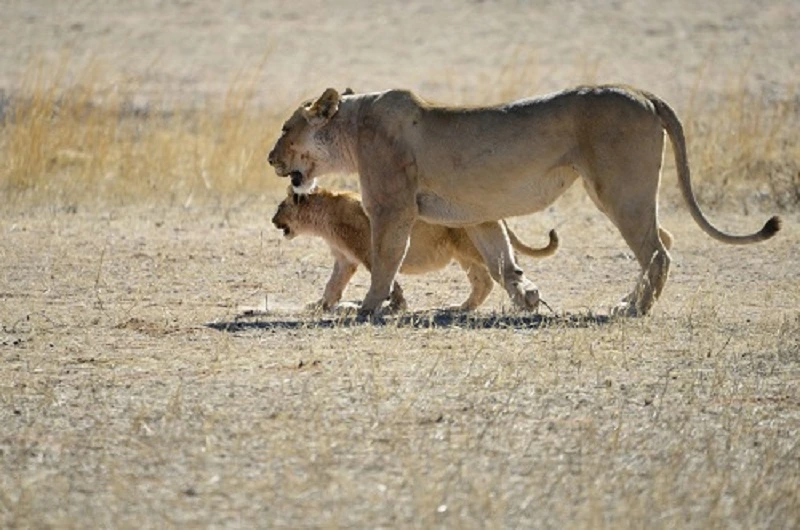
Bush Babies live in small groups, and mothers are highly protective of their young, often carrying them in their mouths.
8. Tree-Dwelling Experts
They spend most of their lives in trees, using their strong hands and feet to cling to branches and avoid predators.
9. Unique Grooming Habits
Bush babies have specialized grooming claws and a “toothcomb,” a set of lower teeth used for cleaning their fur and communicating.
10. Long Lifespan
In the wild, bush babies can live up to 10 years, while in captivity, their lifespan may extend beyond 15 years.
Physical Characteristics of Bush Babies
1. Large, Reflective Eyes
Their eyes are adapted for excellent night vision, appearing luminous when caught in torchlight, a common way to spot them during night safaris.
2. Soft, Thick Fur
Bush babies have dense, soft fur that varies in color from gray to brown, providing camouflage in their natural environment.
3. Long, Tactile Tail
Their tails are longer than their bodies, aiding balance during jumps and serving as an additional tool for communication.
4. Strong Hind Legs
The powerful legs of bush babies allow them to leap incredible distances, escaping predators or moving swiftly between trees.
5. Sensitive Ears
Their large, mobile ears can detect even the faintest sounds, helping them locate prey and communicate with others in their group.
Contact Us to Plan Your Safari in Tanzania
Witness the enchanting Bush Baby during a Tanzania safari that takes you to the heart of its natural habitat. Whether it’s the Serengeti, Tarangire, or another park, you’ll have the chance to hear their distinctive calls and see them in action. Contact us today to arrange your unforgettable wildlife adventure and discover Tanzania’s nocturnal wonders, including the elusive Bushbaby.
Bush Baby in Tanzania: Inquiry Form
Required fields are marked *
Bush Baby in Tanzania - Related Articles



Want to plan a memorable Tanzanian adventure?
Vedastus is available and ready to assist. Receive a free, no-obligation quote.


Best Seller Tour Packages

5 Days Tanzania Safari

6 Days Tanzania Safari

2 Days Tanzania Safari

3 days Tanzania safari

4 Days Tanzania Safari

4 Days Serengeti and Ngorongoro Safari

3 Days Serengeti and Ngorongoro Safari

3 days Tarangire, Ngorongoro, and Manyara

2 Days Tarangire and Ngorongoro

4 Days Tarangire, Serengeti, and Ngorongoro

2 days Manyara and Ngorongoro

Ngorongoro Crater Day Trip Safari

Tarangire Day Trip Safari Tour

Lake Manyara Day Trip Safari


1-Day Tanzania Safari