Discover the Caracal: Safari Adventures in Tanzania
Explore the elusive Caracal in Tanzania on thrilling safaris. Discover its habitat, fascinating facts, and the best parks to see this remarkable feline.
Get Your PDF Instantly
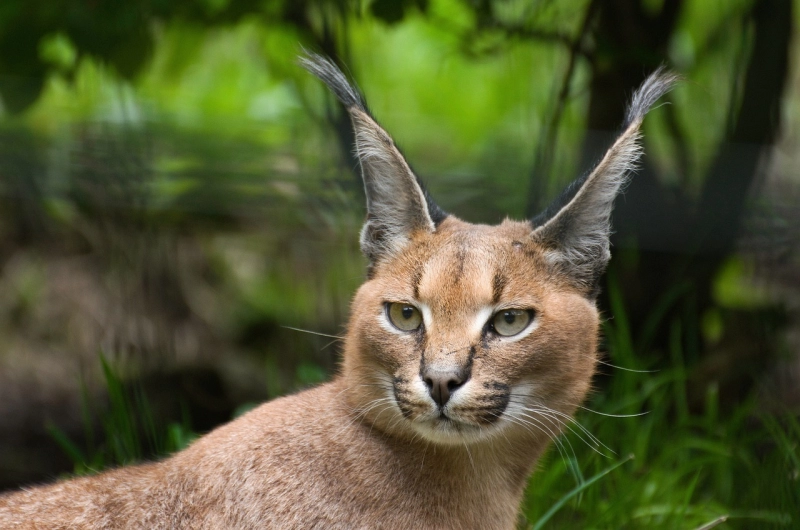
What is a caracal?
The caracal is a sleek and agile wild cat renowned for its striking features and exceptional hunting skills. Known scientifically as Caracal caracal, this medium-sized feline is distinguished by its long, tufted ears, which serve as a signature trait. The word "caracal" originates from the Turkish term karakulak, meaning "black ear," reflecting its unique appearance. Caracals are nocturnal hunters and adept climbers, often found in a variety of habitats ranging from savannas to arid regions.
Caracal in Tanzania
Caracals in Tanzania are a rare and exciting find for wildlife enthusiasts. While these elusive cats are not as commonly seen as lions or leopards, their presence adds a unique dimension to Tanzania’s incredible biodiversity. Found in both open grasslands and woodland areas, the caracal’s adaptability allows it to thrive in various ecosystems across the country.
Caracal Safari in Tanzania
A caracal safari in Tanzania offers visitors the chance to glimpse this elusive predator in its natural habitat. Safari tours traverse some of the most beautiful parks, such as Serengeti and Ruaha National Park, where caracals are occasionally spotted. The thrill of spotting this feline, with its graceful movements and piercing gaze, is an unforgettable experience for any wildlife enthusiast.
Caracal Tours and Safaris in Tanzania
Caracal tours and safaris in Tanzania combine the excitement of game drives with the serene beauty of Tanzania’s landscapes. These tours take you to renowned destinations where caracals and other fascinating animals coexist, offering a well-rounded wildlife experience. Alongside caracals, you can encounter other predators, herbivores, and bird species, making your safari adventures truly diverse.
Scientific Classification of Caracal
Scientific Name: Caracal caracal
Kingdom: Animalia
Phylum: Chordata
Class: Mammalia
Order: Carnivora
Family: Felidae
Genus: Caracal
Where to See Caracals in Tanzania
1. Serengeti National Park: Known for its vast savannas and rich wildlife, the Serengeti is one of the best places to spot caracals.
2. Ruaha National Park: The rugged terrain and diverse ecosystem make Ruaha a prime location for finding caracals.
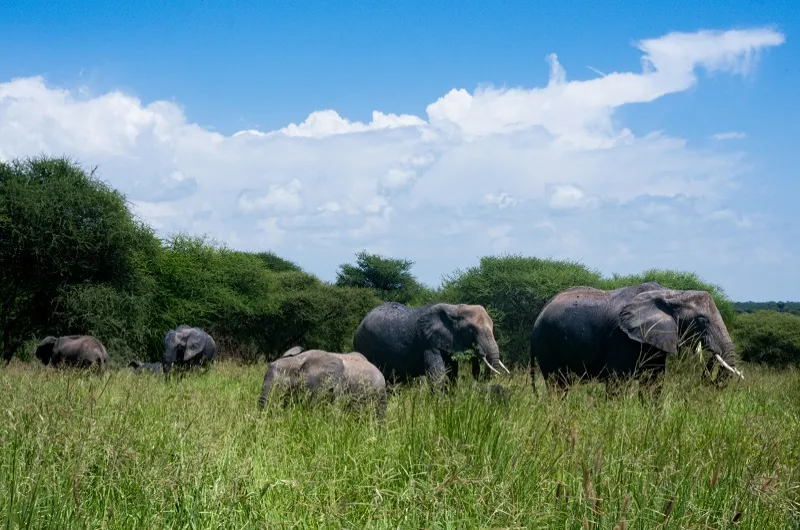
3. Tarangire National Park: Famous for its baobab trees and elephant herds, Tarangire is also a potential spot for caracal sightings.
4. Lake Manyara National Park: This park’s mix of forests and open plains provides a suitable habitat for these elusive cats.
10 Interesting Facts About Caracals
1. Ears with Tufts: The tufts on a caracal’s ears are thought to aid in communication or help camouflage the animal in tall grass.
2. Exceptional Jumpers: Caracals can leap up to 10 feet in the air, making them highly effective at catching birds mid-flight.
3. Silent Hunters: They rely on stealth and precision to catch their prey, often stalking quietly before pouncing.
4. Wide Range of Prey: Caracals hunt small mammals, birds, and even reptiles, showcasing their adaptability as predators.
5. Solitary Creatures: Except during mating or when raising young, caracals are solitary animals, marking and defending their territories.
6. Cunning Survivors: They can survive in harsh environments, including semi-deserts, where water and prey may be scarce.
7. Elusive Nature: Their secretive behavior makes them difficult to spot, adding an element of excitement for safari-goers.
8. Historical Significance: In ancient Egypt, caracals were depicted in art and were often associated with royalty.
9. Adaptable Hunters: Caracals use their powerful hind legs to propel themselves during chases and leaps.
10. Camouflaged Coats: Their reddish-tan coats blend seamlessly with the surrounding vegetation, making them nearly invisible to prey and predators.
Physical Characteristics of Caracals
1. Size and Build: Adult Caracals weigh between 8–18 kg (18–40 lbs) and measure 40–50 cm (16–20 inches) at the shoulder, with a slender, muscular frame.
2. Coat Color: Their short, dense fur ranges from reddish-tan to sandy, with lighter undersides and faint facial markings.
3. Ears and Tufts: Their long, pointed ears with black tufts are their most distinctive feature, aiding in their iconic appearance.
4. Tail: The tail is moderately long and proportionate to their body, ending in a black tip.
5. Eyes: Caracals have large, almond-shaped eyes with excellent night vision, adapted for nocturnal hunting.
Contact Us to Arrange Your Tanzania Safari
Don’t miss the chance to witness the elusive caracal in Tanzania’s breathtaking wilderness. Contact us to arrange a personalized safari that takes you to iconic destinations like the Serengeti, Ruaha, and Tarangire. Alongside caracals, you’ll encounter a wide array of wildlife, making your adventure truly unforgettable. Start planning your Tanzanian safari today and immerse yourself in the magic of the wild.
Caracal in Tanzania: Inquiry Form
Required fields are marked *
Caracal in Tanzania - Related Articles



Want to plan a memorable Tanzanian adventure?
Vedastus is available and ready to assist. Receive a free, no-obligation quote.


Best Seller Tour Packages

5 Days Tanzania Safari

6 Days Tanzania Safari

2 Days Tanzania Safari

3 days Tanzania safari

4 Days Tanzania Safari

4 Days Serengeti and Ngorongoro Safari

3 Days Serengeti and Ngorongoro Safari

3 days Tarangire, Ngorongoro, and Manyara

2 Days Tarangire and Ngorongoro

4 Days Tarangire, Serengeti, and Ngorongoro

2 days Manyara and Ngorongoro

Ngorongoro Crater Day Trip Safari

Tarangire Day Trip Safari Tour

Lake Manyara Day Trip Safari


1-Day Tanzania Safari