Exploring the Graceful Impala on a Safari in Tanzania
Exploring the grace and agility of the impala in Tanzania. Learn about its habitats, fascinating behaviors, and where to see them on a safari adventure.
Get Your PDF Instantly
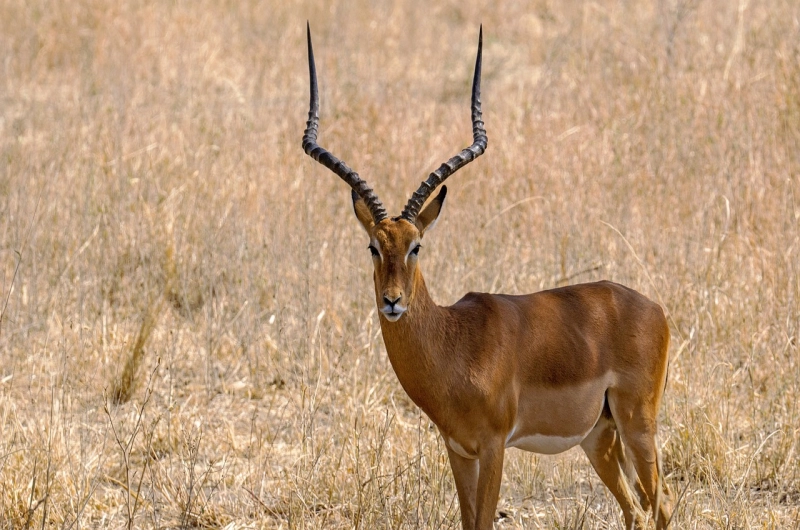
What is an Impala?
The impala is a medium-sized antelope native to Africa, known for its speed, agility, and striking appearance. These elegant animals are highly adaptable and thrive in savannah and woodland habitats. Impala are characterized by their reddish-brown coats, white underbellies, and distinct black markings on their tails and hindquarters. They are incredibly agile and can leap up to 3 meters high and 10 meters in length, helping them evade predators. As grazers and browsers, impalas play a crucial role in maintaining the balance of their ecosystems.
Impala in Tanzania
Tanzania’s rich and diverse landscapes make it a haven for impalas, offering excellent opportunities to see them in their natural habitats. These graceful antelopes are found across various national parks and reserves, blending seamlessly into the scenery yet captivating anyone fortunate enough to observe them. Their sociable behavior and distinctive calls make them a memorable part of the Tanzanian safari experience.
The Scientific Classification of the Impala
Scientific Name: Aepyceros melampus
Kingdom: Animalia
Phylum: Chordata
Class: Mammalia
Order: Artiodactyla
Family: Bovidae
Where to See Impalas in Tanzania
1. Serengeti National Park: The Serengeti’s open plains provide the perfect setting to witness impalas grazing and leaping across the landscape.
2. Selous: This lush, biodiverse area is home to herds of impalas thriving alongside other iconic wildlife.
3. Tarangire National Park: Famous for its baobab trees and wildlife, Tarangire offers ample opportunities to see impalas, especially during the dry season.
10 Fascinating Facts About Impalas
1. Incredible Leapers
Impala are remarkable jumpers, capable of leaping over obstacles up to 3 meters high and 10 meters wide to escape predators.
2. Social Structure
Impala are highly social, living in herds that can range from 10 to 100 individuals. Male impalas establish territories, while females and young form separate groups.
3. Black Heel Markings
The black markings on their heels, known as metatarsal glands, are unique to impalas and are used for communication within the herd.
4. Dietary Adaptability
Impala are both grazers and browsers, feeding on grass, leaves, and shrubs depending on the season, which allows them to survive in varied habitats.
5. Fast and Agile
Impala can run at speeds of up to 60 kilometers per hour, using their speed and agility to escape predators like lions and leopards.
6. Seasonal Behavior
During the wet season, impalas form larger mixed herds, while in the dry season, males establish territories to attract females.
7. Predator Awareness
Impala are vigilant animals with keen senses of sight, smell, and hearing, enabling them to detect predators early.
8. Unique Vocalizations
Impala produce various sounds, including grunts, snorts, and alarm calls, to communicate with each other and warn of danger.
9. Mating Rituals
During the rutting season, male impalas engage in intense fights for dominance, with the victor claiming mating rights over a harem of females.
10. Lifespan and Growth
Impala can live up to 15 years in the wild. Their young, known as fawns, can stand and walk within minutes of birth.
Physical Characteristics of the Impala
1. Size and Weight
Adult impalas stand about 90 centimeters at the shoulder and weigh between 40 to 75 kilograms, with males being larger than females.
2. Coat and Color
Their reddish-brown coat helps them blend into their environment, with lighter underbellies and distinct black markings adding to their beauty.
3. Horns
Only males have horns, which are lyre-shaped and can grow up to 90 centimeters long, used for defense and dominance displays.
4. Legs and Hooves
Their slender legs and cloven hooves make them agile and fast, ideal for navigating through open plains and dense woodlands.
5. Tail Markings
The impala’s white-tipped tail acts as a signaling tool for the herd when fleeing from predators.
Contact Us to Arrange Your Tanzania Safari
Ready to experience the elegance of impalas in Tanzania? Contact us to plan your perfect safari adventure. Witness impalas and other incredible wildlife in their natural habitats, from the Serengeti’s iconic plains to the lush beauty of Tarangire.
Impala in Tanzania: Inquiry Form
Required fields are marked *
Impala in Tanzania - Related Articles



Want to plan a memorable Tanzanian adventure?
Vedastus is available and ready to assist. Receive a free, no-obligation quote.


Best Seller Tour Packages

5 Days Tanzania Safari

6 Days Tanzania Safari

2 Days Tanzania Safari

3 days Tanzania safari

4 Days Tanzania Safari

4 Days Serengeti and Ngorongoro Safari

3 Days Serengeti and Ngorongoro Safari

3 days Tarangire, Ngorongoro, and Manyara

2 Days Tarangire and Ngorongoro

4 Days Tarangire, Serengeti, and Ngorongoro

2 days Manyara and Ngorongoro

Ngorongoro Crater Day Trip Safari

Tarangire Day Trip Safari Tour

Lake Manyara Day Trip Safari


1-Day Tanzania Safari