Ngorongoro Crater Formation: Geological Wonder in Tanzania
Ngorongoro Crater Formation occurred 2.5 million years ago when a massive volcano erupted and collapsed, creating the world’s largest intact volcanic caldera.
Get Your PDF Instantly

Understanding Ngorongoro Crater Formation
Ngorongoro Crater Formation is the result of one of the most powerful volcanic events in history. About 2.5 million years ago, a massive volcano in northern Tanzania erupted with extraordinary force. As the volcano expelled its molten core, its structure weakened and collapsed inward, forming what is now the largest unbroken caldera in the world.
This incredible natural wonder stretches 20 kilometers (12 miles) in diameter, reaches a depth of 610 meters (2,000 feet), and covers an area of 264 square kilometers (102 square miles). Over time, the crater transformed into a self-sustaining ecosystem, supporting thousands of wildlife species and becoming one of Africa’s most spectacular safari destinations.
How Ngorongoro Crater Formation Took Place
The formation of Ngorongoro Crater is a fascinating process that began with volcanic activity in the East African Rift Valley. Here’s a step-by-step breakdown of how this incredible landscape came into existence:
1. Formation of a Massive Volcano
Millions of years ago, an enormous volcano stood in the region, possibly as tall as Mount Kilimanjaro. It was part of a volcanic chain created by shifting tectonic plates in the Great Rift Valley.
2. A Catastrophic Volcanic Eruption
Around 2.5 million years ago, this giant volcano erupted violently, releasing a massive amount of lava, ash, and volcanic gases. This explosion was so powerful that it completely emptied the volcano’s magma chamber.
3. Collapse of the Volcano’s Peak
With the magma chamber emptied, the structure of the volcano became unstable. The peak collapsed inward, forming a vast crater-like depression known as a caldera. Unlike typical craters, calderas result from the structural collapse of a volcano, not from meteorite impacts.
4. Evolution of the Ngorongoro Crater Ecosystem
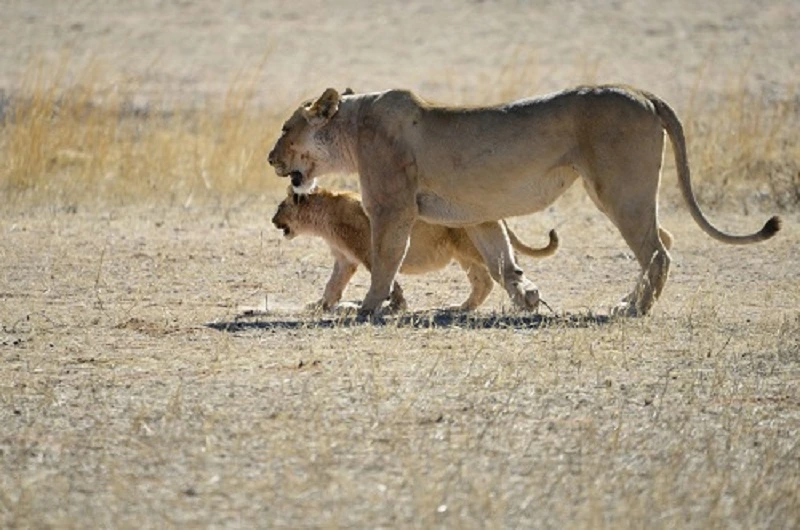
Over time, the caldera filled with water, vegetation, and wildlife, transforming into one of Africa’s richest ecosystems. Ngorongoro Crater is now home to over 25,000 animals, making it one of the best wildlife-viewing areas in the world.
Geological Features of Ngorongoro Crater Formation
✔ Diameter: Approximately 20 kilometers (12 miles) across, ranking it among the world’s largest intact volcanic calderas.
✔ Depth: The crater descends about 610 meters (2,000 feet) from the rim to the floor.
✔ Total Area: Covers around 264 square kilometers (102 square miles).
✔ Altitude: The crater rim sits at approximately 7,500 feet (2,286 meters) above sea level, making it a cool, high-altitude safari destination.
Wildlife Supported by Ngorongoro Crater Formation
Thanks to its unique volcanic origins, the Ngorongoro Crater has become a biodiversity hotspot, providing an enclosed sanctuary for various species. Here’s what you can expect:
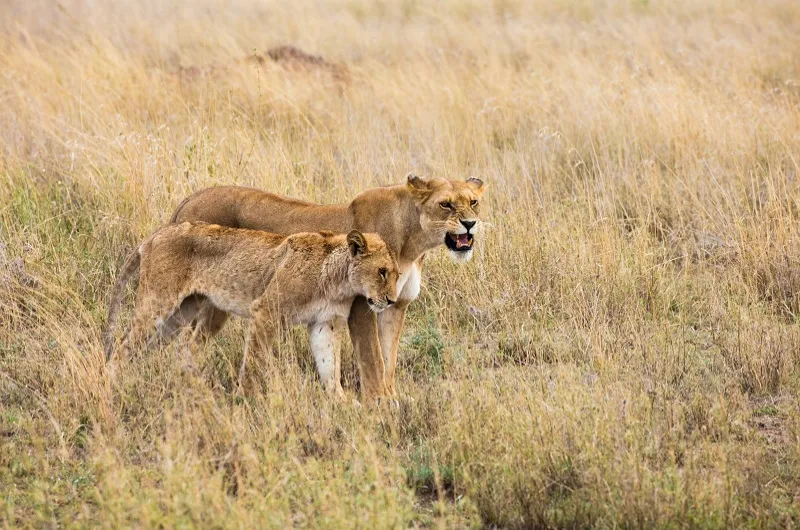
✔ The Big Five: Lions, leopards, elephants, rhinos, and buffalo thrive in the crater’s diverse landscapes.
✔ Large Herbivores: Zebras, wildebeests, hippos, and gazelles graze in the crater’s grasslands and swamps.
✔ Predators: Hyenas, cheetahs, and jackals hunt within this natural enclosure.
✔ Birdlife: Flamingos, eagles, and ostriches add to the crater’s rich biodiversity.
The formation of the crater has allowed wildlife to remain protected within its natural walls, making it one of the best places for year-round game viewing.
Best Time to Visit Ngorongoro Crater
Since Ngorongoro Crater Formation has led to a stable, self-contained ecosystem, it is a great safari destination all year round. However, specific seasons offer different advantages:
✔ Dry Season (June – October): The best time for wildlife viewing, as animals gather around water sources.
✔ Short Rainy Season (December – March): The landscape becomes lush and green, perfect for photography and birdwatching.
National Parks Near Ngorongoro Crater
Visitors exploring the Ngorongoro Crater Formation can also visit nearby parks, each offering unique experiences:
✔ Serengeti National Park: Just next to Ngorongoro, Serengeti is famous for the Great Migration and abundant predators.
✔ Lake Manyara National Park: Known for its tree-climbing lions and diverse birdlife.
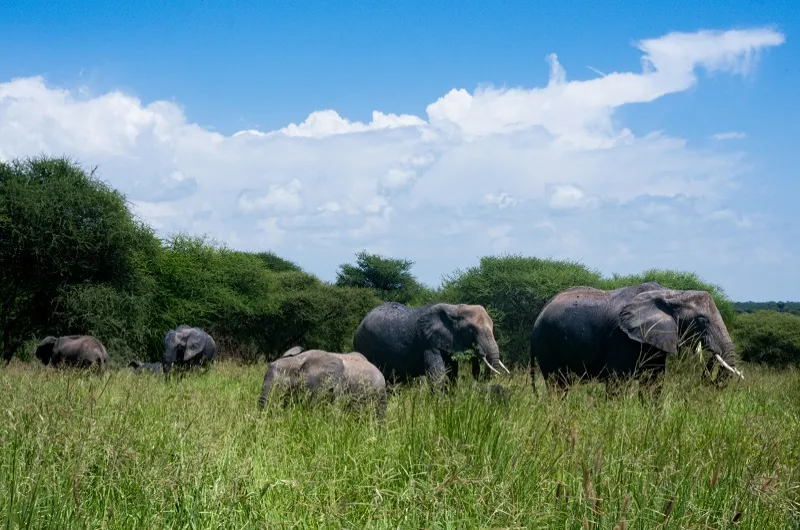
✔ Tarangire National Park: Features massive elephant herds and scenic baobab trees.
We Offer Ngorongoro Crater Tours: Private & Group Safaris
To witness the majestic landscape formed by Ngorongoro Crater Formation, we provide tailor-made safari experiences:
✔ Private Safaris: Personalized tours for an exclusive adventure.
✔ Group Join-In Safaris: Budget-friendly tours for solo travelers and groups.
✔ Multi-Day Safari Packages: Combine Ngorongoro with Serengeti, Tarangire, and Lake Manyara for an unforgettable wildlife experience.
Contact Us for Ngorongoro Crater Tours
Want to experience the natural beauty created by the Ngorongoro Crater Formation? Contact us today and let us help you plan the ultimate safari!
Why Choose Us?
✔ Experienced guides with deep knowledge of Ngorongoro’s history and wildlife.
✔ Comfortable, well-equipped 4x4 safari vehicles.
✔ Flexible tour options, from one-day trips to multi-day safaris.
Book your Ngorongoro Crater safari now and explore this stunning geological masterpiece formed millions of years ago!
Ngorongoro Crater Formation: Inquiry Form
Required fields are marked *
Ngorongoro Crater Formation - Related Articles


Want to plan a memorable Tanzanian adventure?
Vedastus is available and ready to assist. Receive a free, no-obligation quote.


Best Seller Tour Packages

5 Days Tanzania Safari

6 Days Tanzania Safari

2 Days Tanzania Safari

3 days Tanzania safari

4 Days Tanzania Safari

4 Days Serengeti and Ngorongoro Safari

3 Days Serengeti and Ngorongoro Safari

3 days Tarangire, Ngorongoro, and Manyara

2 Days Tarangire and Ngorongoro

4 Days Tarangire, Serengeti, and Ngorongoro

2 days Manyara and Ngorongoro

Ngorongoro Crater Day Trip Safari

Tarangire Day Trip Safari Tour

Lake Manyara Day Trip Safari


1-Day Tanzania Safari