Ngorongoro Crater History: The Origins of a Natural Wonder
Ngorongoro Crater history throwback to 2.5 million years when a massive volcanic eruption caused its collapse, forming the world’s largest intact caldera.
Get Your PDF Instantly

Ngorongoro Crater History
Ngorongoro Crater history is rooted in a massive volcanic eruption that occurred about 2.5 million years ago. A towering volcano, estimated to be as high as Mount Kilimanjaro, erupted with unimaginable force. The eruption caused the mountain to collapse inward, forming what is now the largest unbroken volcanic caldera in the world.
Located in northern Tanzania, Ngorongoro Crater spans approximately 260 square kilometers (100 square miles), with a diameter of 16 to 19 kilometers (10 to 12 miles) and a depth of 610 meters (2,000 feet). Today, this breathtaking landscape supports one of the most concentrated wildlife populations in Africa. Discover Ngorongoro Crater History: The Origins of a Natural Wonder.
Geological Evolution in Ngorongoro Crater History
Ngorongoro Crater is part of the Great Rift Valley, a vast geological formation that stretches across East Africa. The crater’s volcanic soil and natural water sources have created a unique ecosystem that supports diverse flora and fauna.
Key geological features include:
✔ Crater Rim: The steep walls rise to about 2,286 meters (7,500 feet) above sea level, creating a natural enclosure.
✔ Lake Magadi: A soda lake inside the crater that attracts thousands of flamingos.
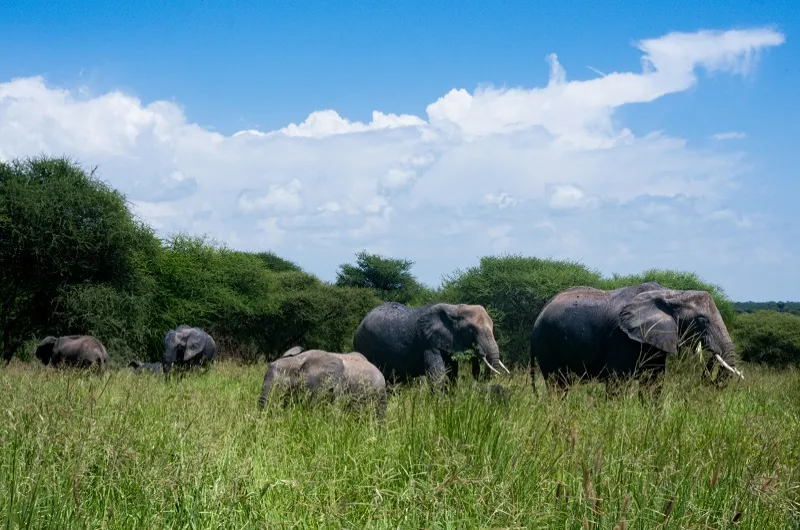
✔ Lerai Forest: A lush forested area where elephants and leopards thrive.
✔ Gorigor Swamp: A vital water source that sustains buffaloes, hippos, and a variety of bird species.
Ngorongoro Crater History and Early Human Settlements
Ngorongoro Crater history extends beyond its geological past—it is also a cradle of human evolution. Located within the Ngorongoro Conservation Area, the Olduvai Gorge has yielded some of the earliest known human fossils, dating back nearly 2 million years.
The Maasai people have lived in the Ngorongoro region for centuries. Unlike most national parks, the Maasai are allowed to graze their livestock within the crater, coexisting with the abundant wildlife.
Ngorongoro Crater as a UNESCO World Heritage Site
Due to its extraordinary biodiversity, geological significance, and human history, Ngorongoro Crater was designated a UNESCO World Heritage Site in 1979. This status ensures conservation efforts are maintained to protect both the wildlife and cultural heritage.
Why Ngorongoro Crater is a UNESCO Site:
✔ Rich Wildlife: Home to more than 25,000 large mammals, including the endangered black rhino.
✔ Geological Importance: Recognized as the largest intact volcanic caldera on Earth.
✔ Cultural Value: Features early human fossils at Olduvai Gorge, offering insights into human evolution.
Tourism and Wildlife in Ngorongoro Crater History
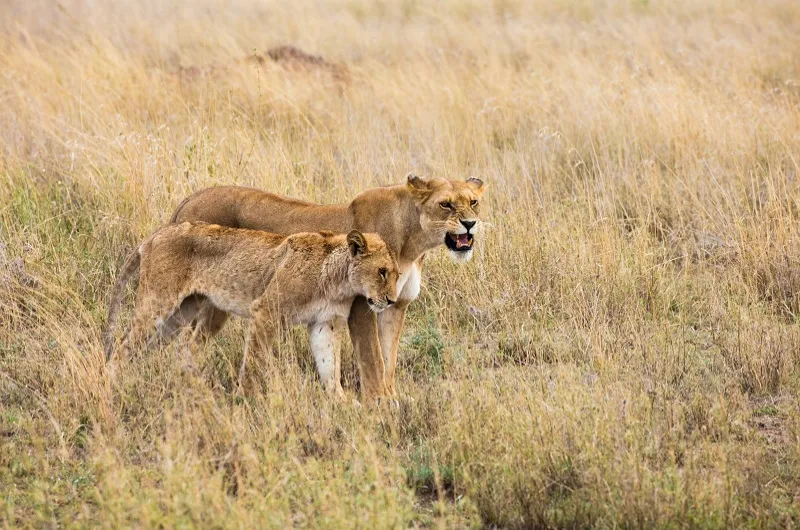
Ngorongoro Crater has become a top safari destination, attracting thousands of tourists each year. The enclosed ecosystem makes it one of the best places to spot the Big Five—lion, leopard, elephant, buffalo, and rhino—all in a single game drive.
Top Activities:
✔ Wildlife Safaris—Spot an incredible variety of animals, including cheetahs and hyenas.
✔ Birdwatching – Home to over 500 bird species, including flamingos and ostriches.
✔ Scenic Photography – Capture breathtaking landscapes of crater lakes and rolling grasslands.
Best Time to Visit Based on Ngorongoro Crater History
The Ngorongoro Crater is accessible year-round, but the best time for wildlife viewing depends on seasonal changes:
✔ Dry Season (June to October): Animals gather around water sources, making it easier to spot them.
✔ Short Rain Season (December to March): The landscape becomes greener, and it’s the best time to see baby animals.
Regardless of the season, Ngorongoro remains a must-visit destination, thanks to its diverse wildlife and historical significance.
We Offer Ngorongoro Crater Tours: Private and Group Safaris
For those eager to explore Ngorongoro Crater history, we provide a range of guided safari experiences, including private and group tours. From day trips to multi-day safaris, we ensure a memorable adventure.
✔ Day Safaris—Perfect for travelers with limited time.
✔ Extended Safaris – Combine Ngorongoro with Serengeti, Tarangire, and Lake Manyara.
✔ Luxury and Budget Options—Customizable packages to suit different travel preferences.
Contact Us for Ngorongoro Crater Tours
Ready to experience one of Africa’s most iconic safari destinations? Contact us today to book your Ngorongoro Crater safari. Whether you prefer a luxury private tour or an affordable group safari, we offer options for every traveler.
Why Choose Us?
✔ Professional guides with deep knowledge of Ngorongoro Crater history.
✔ Flexible safari packages tailored to your budget.
✔ Unparalleled wildlife experiences, including spotting rare black rhinos.
Book now and witness the ancient wonders of Ngorongoro Crater!
Ngorongoro Crater History: Inquiry Form
Required fields are marked *
Ngorongoro Crater History - Related Articles


Want to plan a memorable Tanzanian adventure?
Vedastus is available and ready to assist. Receive a free, no-obligation quote.


Best Seller Tour Packages

5 Days Tanzania Safari

6 Days Tanzania Safari

2 Days Tanzania Safari

3 days Tanzania safari

4 Days Tanzania Safari

4 Days Serengeti and Ngorongoro Safari

3 Days Serengeti and Ngorongoro Safari

3 days Tarangire, Ngorongoro, and Manyara

2 Days Tarangire and Ngorongoro

4 Days Tarangire, Serengeti, and Ngorongoro

2 days Manyara and Ngorongoro

Ngorongoro Crater Day Trip Safari

Tarangire Day Trip Safari Tour

Lake Manyara Day Trip Safari


1-Day Tanzania Safari