Discover the Olive Baboon on Your Safari in Tanzania
Explore the fascinating Olive Baboon in Tanzania, its habitats, behaviors, and where to spot these intriguing primates during your safari adventure.
Get Your PDF Instantly
What is the Olive Baboon?
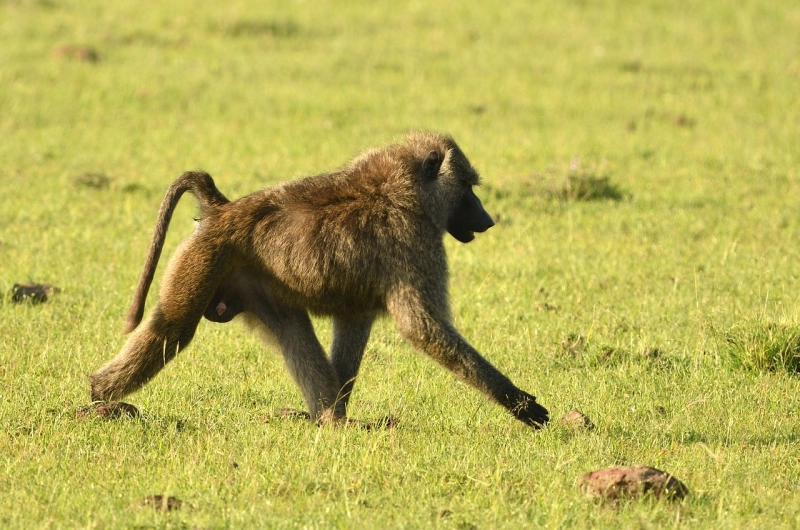
The Olive Baboon (Papio anubis) is a highly social and intelligent primate native to sub-Saharan Africa. It derives its name from the olive-gray tone of its thick coat, which blends beautifully with the savannah and woodland environments it inhabits. Known for their robust build and adaptable behavior, Olive Baboons thrive in diverse habitats, from forests to open grasslands.
Olive Baboon in Tanzania
The Olive Baboon in Tanzania is an integral part of the country’s wildlife ecosystem. Found in national parks, woodlands, and even near human settlements, these primates are a common sight for visitors. Their complex social structures and curious nature make them a fascinating species to observe during your Tanzania safari. Whether they are grooming each other, foraging for food, or interacting within their troop, Olive Baboons offer a captivating wildlife experience.
Scientific Classification of Olive Baboon
Scientific Name: Papio anubis
Kingdom: Animalia
Phylum: Chordata
Class: Mammalia
Order: Primates
Family: Cercopithecidae
Where to See Olive Baboons in Tanzania
1. Serengeti National Park
The Serengeti’s expansive plains and woodlands are home to many olive baboon troops. They can often be spotted along riverbanks and near acacia trees.
2. Lake Manyara National Park
This park is renowned for its dense populations of Olive Baboons. Visitors frequently encounter them along the park’s entry roads and near the lake.
3. Ngorongoro Conservation Area
The lush forests of the Ngorongoro crater rim provide a perfect habitat for olive baboons, where they coexist with a range of wildlife.
4. Tarangire National Park
Known for its giant baobabs, Tarangire also shelters olive baboons, often seen foraging on the ground or resting in trees.
5. Arusha National Park
This lesser-visited park offers an up-close opportunity to see Olive Baboons in the shadows of Mount Meru’s slopes.
10 Best Interesting Facts About Olive Baboons
1. Large Troop Sizes
Olive baboons live in troops that can include over 100 members, with complex hierarchies based on dominance.
2. Omnivorous Diet
Their diet includes fruits, leaves, seeds, insects, and occasionally small mammals, showcasing their adaptability.
3. Strong Family Bonds
Social grooming is a key activity, reinforcing bonds between troop members and maintaining hygiene.
4. Impressive Communication
Olive baboons use a mix of vocalizations, facial expressions, and gestures to communicate effectively.
5. Adaptable Habitat
They thrive in various environments, including savannahs, forests, and semi-arid areas, making them one of the most widespread baboon species.
6. Tool Use
Though not common, some olive baboons have been observed using simple tools, showcasing their intelligence.
7. Keen Problem-Solvers
Their problem-solving abilities help them adapt to changing environments, such as finding food near human settlements.
8. Predator Awareness
Olive Baboons are vigilant and work together to fend off predators like lions and leopards.
9. Highly Vocal
Their repertoire includes grunts, barks, and screams, with specific calls to warn of danger or coordinate group movements.
10. Long Lifespan
In the wild, Olive Baboons can live up to 30 years, thriving in protected areas like Tanzania’s national parks.
Physical Characteristics of Olive Baboons
1. Distinctive Coat
The olive-gray coat is dense and provides excellent camouflage in their natural environment, helping them avoid predators.
2. Size and Build
Adult males can weigh up to 50 kg and have a muscular build, while females are smaller but equally agile.
3. Prominent Canines
Males have large canine teeth, which they use for display and self-defense during conflicts.
4. Expressive Face
Their dark, hairless face and bright eyes make them highly expressive, aiding communication within troops.
5. Dexterous Limbs
Olive Baboons have strong, nimble hands and feet, enabling them to climb trees and manipulate objects with precision.
Contact Us to Arrange Your Tanzania Safari
Discover the captivating world of Olive Baboons in Tanzania by joining a wildlife safari tailored to your interests. Whether exploring the Serengeti, Ngorongoro, or Lake Manyara, your journey will be enriched by observing these intelligent primates in their natural habitat. Contact us today to start planning your Tanzania safari and experience the remarkable diversity of wildlife up close.
Olive Baboon in Tanzania: Inquiry Form
Required fields are marked *
Olive Baboon in Tanzania - Related Articles



Want to plan a memorable Tanzanian adventure?
Vedastus is available and ready to assist. Receive a free, no-obligation quote.


Best Seller Tour Packages

5 Days Tanzania Safari

6 Days Tanzania Safari

2 Days Tanzania Safari

3 days Tanzania safari

4 Days Tanzania Safari

4 Days Serengeti and Ngorongoro Safari

3 Days Serengeti and Ngorongoro Safari

3 days Tarangire, Ngorongoro, and Manyara

2 Days Tarangire and Ngorongoro

4 Days Tarangire, Serengeti, and Ngorongoro

2 days Manyara and Ngorongoro

Ngorongoro Crater Day Trip Safari

Tarangire Day Trip Safari Tour

Lake Manyara Day Trip Safari


1-Day Tanzania Safari