Waterbuck in Tanzania: Graceful Antelope of Safari
Discover the majestic waterbuck in Tanzania’s stunning safari parks. Learn about their habitats, characteristics, and where to see them on a safari.
Get Your PDF Instantly

What is a waterbuck?
The waterbuck is a large, robust antelope species known for its striking appearance and affinity for water-rich habitats. These animals are easily identified by their shaggy coats, white-rimmed tails, and distinctive white ring around their hindquarters. Waterbucks are social animals, often found in herds near rivers, lakes, and wetlands, where they can graze on grass and stay close to water sources. Their size, with males weighing up to 260 kg and females slightly lighter, makes them one of the most graceful antelopes in Africa.
Waterbuck in Tanzania
Waterbucks are a common sight in Tanzania, a country renowned for its rich wildlife and diverse ecosystems. These antelopes thrive in areas with abundant water, often roaming near wetlands and floodplains. The sight of a waterbuck against the backdrop of Tanzania’s stunning landscapes is unforgettable. Their presence adds to the country’s status as a premier safari destination.
Safari Adventures with Waterbucks in Tanzania
A safari in Tanzania offers a chance to encounter waterbucks in their natural habitats. Whether grazing along the banks of Lake Manyara or resting in the shade in Tarangire, waterbucks are a key attraction for wildlife enthusiasts. Observing their behaviors, from grazing to warding off predators, highlights the intricate balance of Tanzania’s ecosystems.
Scientific Classification of Waterbuck
Scientific Name: Kobus ellipsiprymnus
Kingdom: Animalia
Phylum: Chordata
Class: Mammalia
Order: Artiodactyla
Family: Bovidae
Where to See Waterbucks in Tanzania
1. Lake Manyara National Park: Known for its dense vegetation and water sources, perfect for waterbucks.
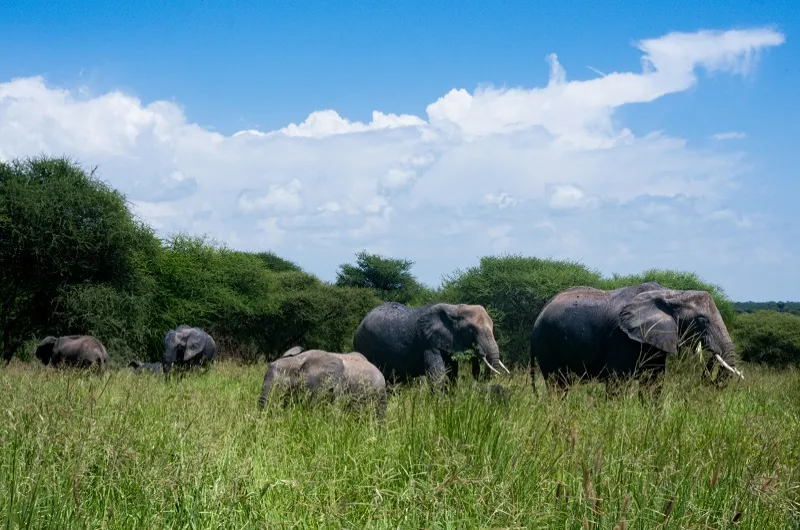
2. Tarangire National Park: Famous for its large herds of elephants and waterbucks around its swamps and rivers.
3. Serengeti National Park: The expansive plains occasionally feature waterbucks near its streams.
4. Ngorongoro Conservation Area: The crater’s floor provides excellent opportunities to spot waterbucks near its water bodies.
5. Selous Game Reserve: An untouched wilderness where waterbucks thrive near the Rufiji River.
10 Best Interesting Facts About Waterbucks
1. Water-Loving Nature
As their name suggests, waterbucks are always found near water sources. This proximity offers them safety from predators, as water provides an escape route.
2. Unique Scent
Waterbucks emit an oily secretion with a musky scent, which acts as a water-resistant layer for their coats and aids in territory marking.
3. White Ring Marking
The white ring around their hindquarters is their most distinguishing feature, often used for identification in the wild.
4. Strong Swimmers
Waterbucks are excellent swimmers, often taking to the water to escape predators or cool off during hot days.
5. Diet and Grazing
They are primarily grazers, feeding on grasses and occasionally browsing on leaves, ensuring they maintain a close connection to their habitats.
6. Social Behavior
Female waterbucks and their young form loose herds, while males are territorial, defending specific areas to attract females.
7. Predator Awareness
Waterbucks are vigilant and rely on their acute sense of smell and hearing to detect predators early.
8. Heat Adaptation
Their shaggy coats are designed to retain moisture, helping them stay cool in the hot African savannahs.
9. Breeding Season
Waterbucks breed year-round, but most calves are born at the start of the rainy season when food is abundant.
10. Lifespan
In the wild, waterbucks can live up to 18 years, provided they evade predators and disease.
Physical Characteristics of Waterbucks
1. Large Build
Waterbucks are among the largest antelopes, with males standing about 130 cm tall at the shoulder and weighing up to 260 kg.
2. Shaggy Coat
Their dense, shaggy coat is waterproof, aiding survival in water-rich habitats. The coat’s grayish-brown color helps with camouflage.
3. Horns
Males have impressive, spiraled horns that can grow up to 100 cm long, used for defense and dominance displays.
4. Distinctive Markings
The white ring around their rump and white markings on their faces make them easily identifiable.
5. Strong Legs
Waterbucks possess powerful legs, making them adept at running and swimming to evade predators.
Contact Us to Arrange Your Tanzania Safari
A Tanzania safari is incomplete without a chance to see the majestic waterbuck. Their elegance and fascinating behaviors make them a must-see for any wildlife enthusiast. Contact us to create your personalized safari experience and explore Tanzania’s rich wildlife, including the iconic waterbuck.
Waterbuck in Tanzania: Inquiry Form
Required fields are marked *
Waterbuck in Tanzania - Related Articles



Want to plan a memorable Tanzanian adventure?
Vedastus is available and ready to assist. Receive a free, no-obligation quote.


Best Seller Tour Packages

5 Days Tanzania Safari

6 Days Tanzania Safari

2 Days Tanzania Safari

3 days Tanzania safari

4 Days Tanzania Safari

4 Days Serengeti and Ngorongoro Safari

3 Days Serengeti and Ngorongoro Safari

3 days Tarangire, Ngorongoro, and Manyara

2 Days Tarangire and Ngorongoro

4 Days Tarangire, Serengeti, and Ngorongoro

2 days Manyara and Ngorongoro

Ngorongoro Crater Day Trip Safari

Tarangire Day Trip Safari Tour

Lake Manyara Day Trip Safari


1-Day Tanzania Safari